The Secondhand Fashion Boom, Explained
Thrifting has gone from budget necessity to mainstream trend. Here is what is actually driving the shift, and where it is heading next.
In this article 8 sections
Secondhand fashion used to carry a quiet stigma. In 2026, it's closer to a flex. Thrift-store hauls rack up millions of views, resale apps have turned closet-cleaning into a side income, and "vintage" has become a genuine style category rather than a euphemism for hand-me-downs.
This piece looks at what's actually driving the secondhand boom, who's buying, and whether the sustainability story behind it holds up under closer scrutiny. It's for anyone curious why thrifting went from bargain-bin necessity to a trend brands themselves are now chasing, and what that shift might mean for how people shop five years from now.
How Big Has the Secondhand Market Actually Gotten?
The U.S. secondhand apparel market has grown into a multi-billion-dollar category, expanding several times faster than overall clothing retail over the past five years, according to resale platform ThredUp's annual Resale Report, one of the most closely watched industry benchmarks. That growth has held up even as overall consumer spending on apparel has been uneven, suggesting shoppers are substituting toward secondhand rather than simply spending more on clothing overall. Category breakdowns within that growth show denim, outerwear, and designer accessories leading the resale surge, categories where quality construction historically holds up well over many years of wear.
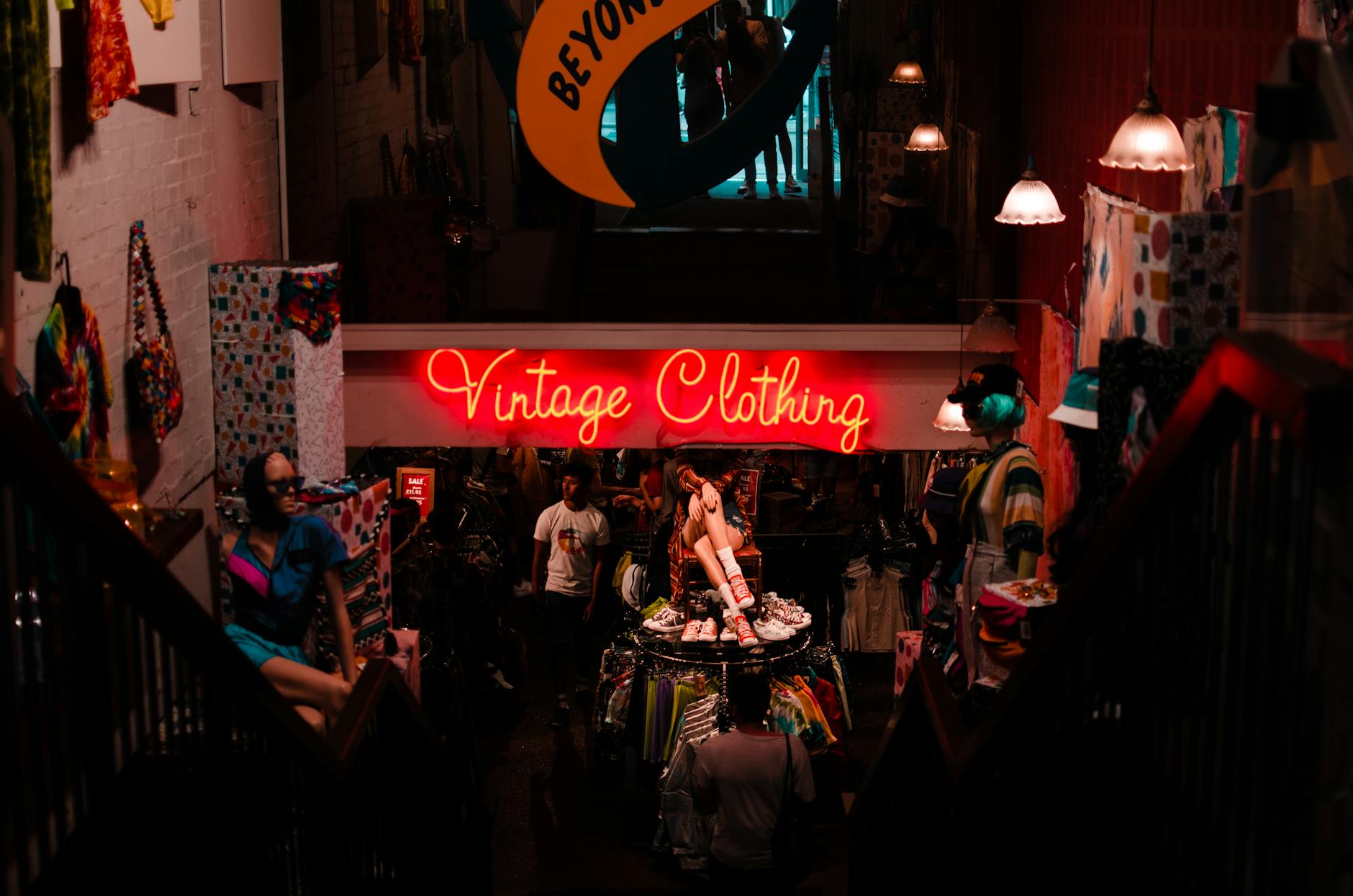
We've watched this shift firsthand at The Spectrum Post: thrift stores that once felt like a last resort now market themselves with the same curated, aspirational language a boutique might use, and that repositioning has clearly worked on a younger shopper base.
Who Is Actually Driving the Trend?
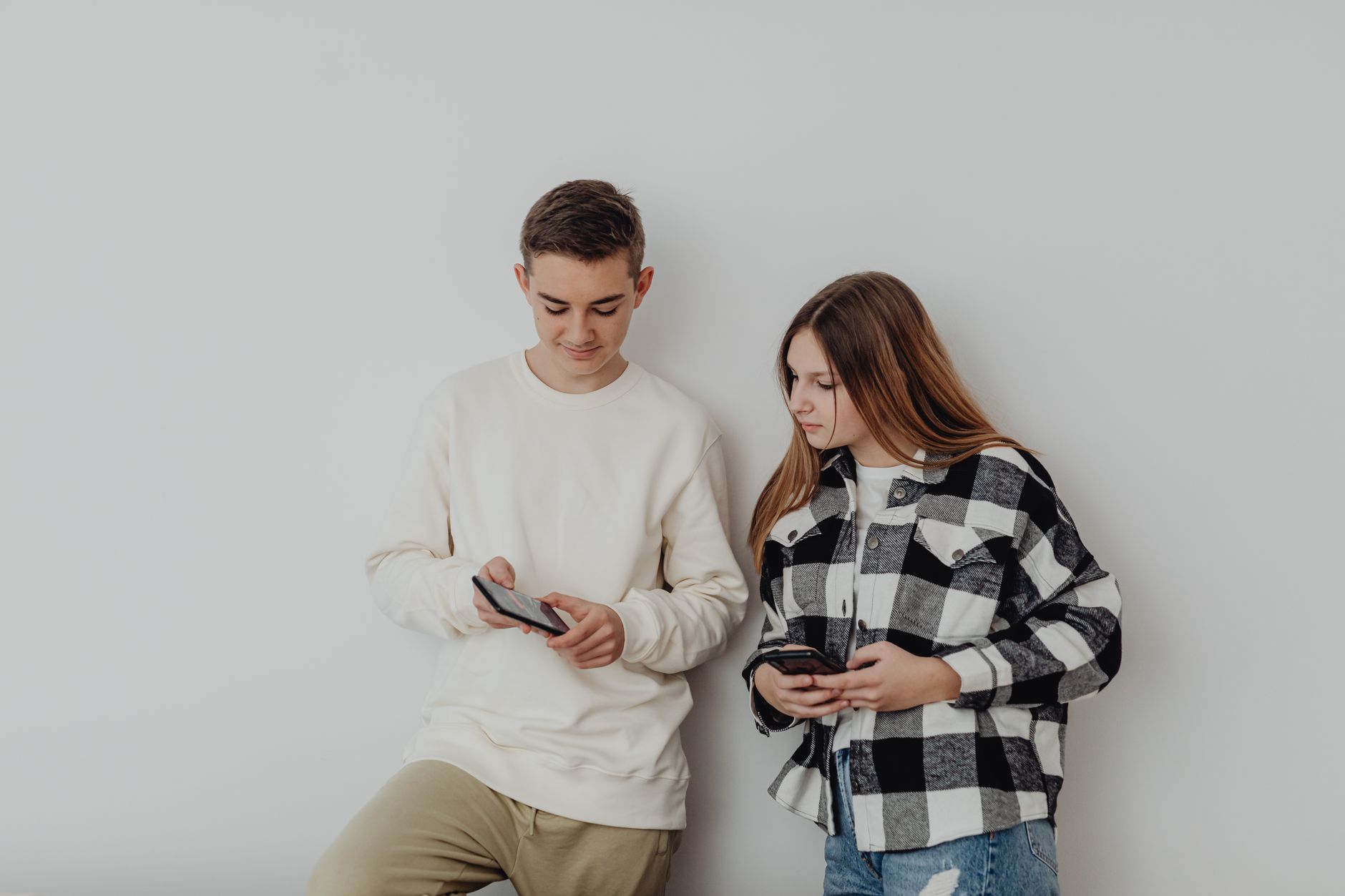
Gen Z and younger millennial shoppers are the clearest drivers. Surveys from resale platforms consistently show these age groups more likely than older generations to say they've bought secondhand clothing in the past year, and more likely to describe thrifting as a genuinely preferred way to shop rather than a fallback.
Part of that comes down to price. New clothing prices have climbed alongside general inflation — a squeeze The Spectrum Post has covered in household grocery budgets too — and a generation that came of age during a stretch of high living costs has developed a much more transactional relationship with fast fashion, happy to buy it secondhand at a steep discount, less willing to pay full retail for it new.
Is the Sustainability Argument Actually True?
Buying secondhand does meaningfully reduce a garment's environmental footprint compared to buying new, since it avoids the water, energy, and raw-material costs of manufacturing another item from scratch. The Environmental Protection Agency (EPA) has tracked textile waste growing steadily for decades, and reuse is widely considered a more effective intervention than recycling, since recycling textile fibers is technically difficult and rarely produces material as durable as the original.
That said, the benefit only holds if secondhand purchases replace new ones rather than simply adding to total consumption. Several sustainability researchers have raised concern that resale's convenience and low prices could actually be increasing total clothing turnover for some shoppers, undercutting some of the environmental case even as individual transactions look greener.
How Have Resale Apps Changed the Experience?
Apps like Poshmark, Depop, and ThredUp have made selling nearly as frictionless as buying, turning a closet clear-out into a legitimate side income for some sellers. Poshmark alone has reported tens of millions of active users, and the platform's social features — following sellers, sharing listings, live shopping events — borrow directly from social media playbooks rather than traditional e-commerce.
In our experience covering this space, the app layer is arguably the bigger story than the sustainability angle. Making resale genuinely easy, not just possible, is what turned a niche habit into something mainstream enough for brands themselves to build resale programs around.
How Are Traditional Retailers Responding?
Several major apparel brands have launched their own branded resale programs, letting customers trade in used items for store credit before the retailer resells them through its own site. This lets a brand capture some of the resale value that would otherwise go entirely to third-party platforms, while also reinforcing sustainability messaging that resonates with younger shoppers.
It's a notable shift from a decade ago, when most major retailers treated resale as a threat to new-item sales rather than a category worth entering directly. The fact that brands are now building resale infrastructure themselves is one of the clearest signals that the trend isn't a passing fad.
What Does a Typical Secondhand Shopper Actually Look Like?
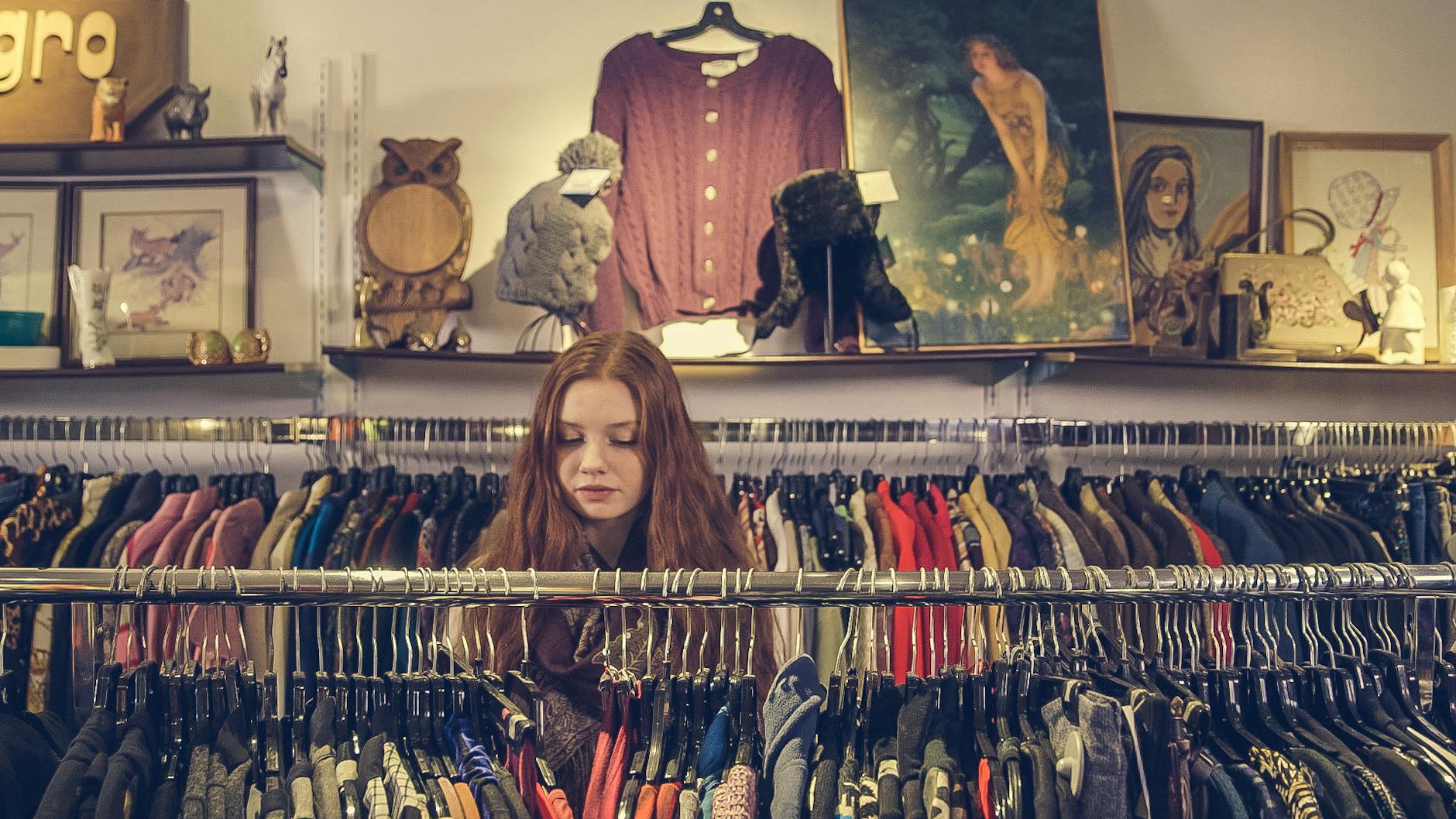
The stereotype of a thrift shopper as someone shopping purely out of necessity no longer matches the data. Resale platform surveys consistently find that a majority of buyers describe themselves as shopping secondhand by choice rather than financial constraint, often alongside regular new-clothing purchases rather than as a full substitute for them. Social platforms have amplified this shift too, turning thrift hauls and outfit reveals into a genre of content in their own right, complete with dedicated hashtags and creator accounts built entirely around secondhand styling.
We've talked with shoppers at The Spectrum Post who describe secondhand shopping as a treasure-hunt experience as much as a money-saving one — the appeal of finding a specific vintage piece or a discontinued style that isn't available anywhere else. That hunt-and-discover dynamic is part of what social media has amplified, turning a solitary errand into shareable content.
What's Holding the Trend Back?
Sizing and quality inconsistency remain the biggest friction points. Unlike buying new, a secondhand item's fit, wear level, and authenticity vary listing to listing, and platforms have invested heavily in seller verification, standardized condition grading, and authentication services for higher-value items to address exactly that friction. The Federal Trade Commission's guidance on environmental marketing claims has also pushed platforms to be more precise about the sustainability claims they make, after several faced criticism for overstating environmental benefits in marketing copy.
Shipping costs and return policies also lag behind new-item retail, where free shipping and easy returns are standard. Several resale platforms have started matching those expectations, but the experience still isn't fully at parity with buying new from a major retailer, which remains a real barrier for shoppers who haven't yet made secondhand a habit. It's a similar dynamic to the friction around repairing rather than replacing electronics: extending an item's life is often cheaper and greener, but it takes more effort than just buying new.
Conclusion
The secondhand fashion boom is driven by a real mix of forces: rising new-clothing prices, genuine sustainability motivation, and resale apps that finally made selling as easy as buying. The environmental case holds up best when secondhand purchases actually replace new ones rather than simply adding more clothes to an already full closet. Whether the trend keeps compounding or settles into a smaller, steadier niche will likely depend on how well platforms and brands close the remaining gaps in shipping, sizing, and authentication. The Spectrum Post covers consumer trends like this one as they move from niche habit to mainstream behavior.