Why Slang Spreads and Dies Faster Than It Used To
A phrase can go from unknown to overused to retired within months now. Here is what actually changed about how slang moves through culture.

In this article 7 sections
Slang used to spread gradually, moving through schools, neighborhoods, and regional social networks over months or years before reaching anything resembling mainstream awareness. That timeline has compressed dramatically. A phrase can now go from unknown to viral to overused to actively retired within a matter of months, sometimes weeks, driven almost entirely by how social media platforms move information at a scale and speed no earlier media environment could match.
This piece looks at what's actually changed about how slang spreads and dies, why the cycle has compressed so much, and what that says about how culture moves more broadly in a heavily online era. It's written for anyone who's felt genuinely behind on a phrase within weeks of first hearing it.
Why Has the Slang Cycle Compressed So Much?
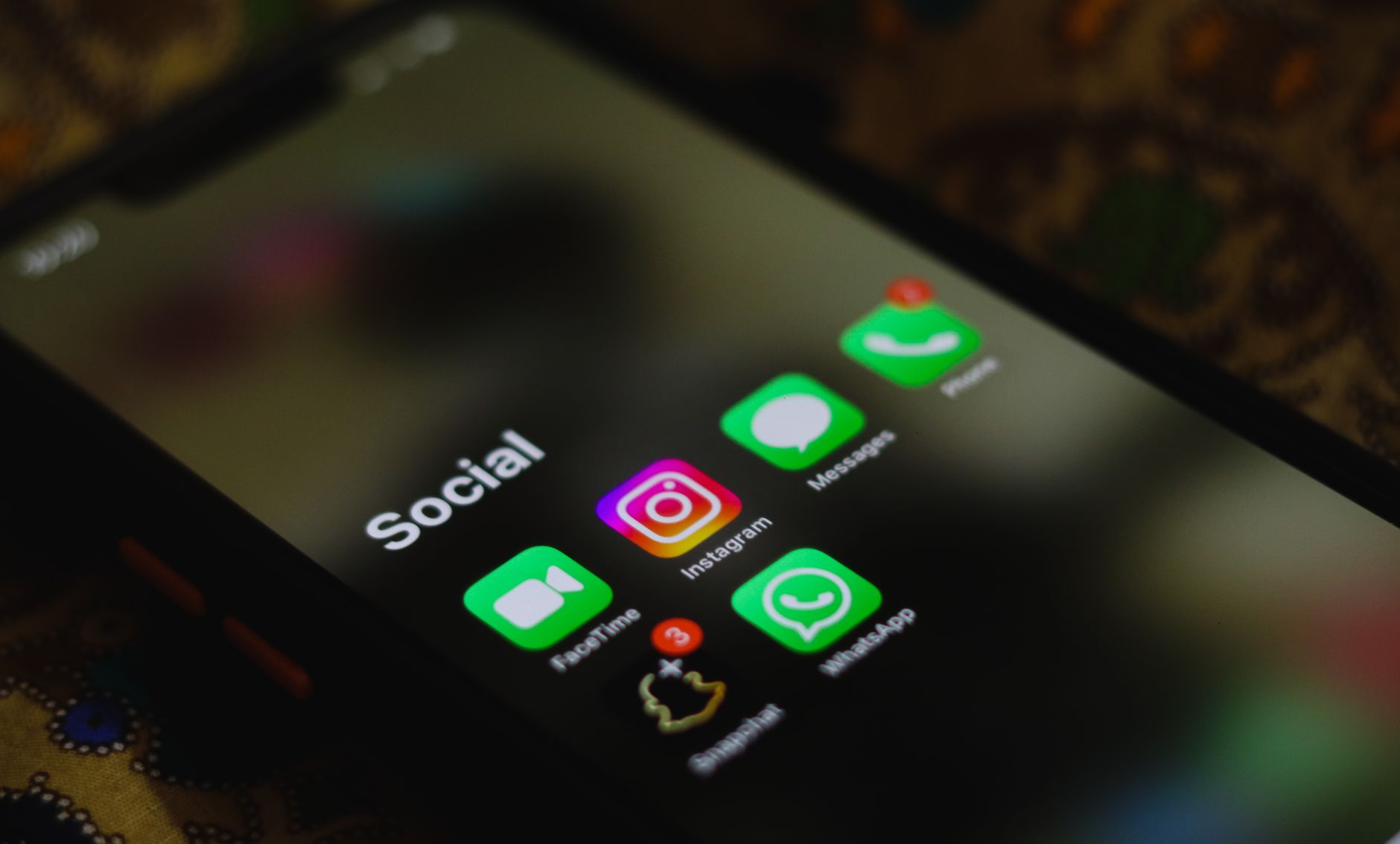
Social media platforms let a new word or phrase reach millions of people within days rather than spreading gradually through in-person social networks over months or years, compressing both the adoption and the "overuse fatigue" cycle that eventually retires a term from active use. A phrase that once might have taken a school year to spread from one friend group to a broader student population can now reach a comparable audience size in a single viral video's spread across a platform's recommendation algorithm.
We've tracked several recent slang cycles at The Spectrum Post, and the pattern holds consistently, echoing research from the Pew Research Center's social media research: rapid initial spread through algorithmic amplification, a peak period of broad, sometimes ironic mainstream use, and then a comparatively quick decline as the term's association with in-group specificity erodes under the weight of overly broad adoption.
What Actually Signals a Term Is "Dying"?
A term's adoption by a much broader, more mainstream audience, sometimes including brands and marketers using it in advertising copy, often signals to the original community that a phrase has lost its cultural specificity, prompting that community to move on to newer terms as a way of maintaining in-group distinctiveness. Brand and marketing adoption specifically tends to accelerate a term's decline, since a slang word used in a corporate ad campaign reads as inherently uncool to the demographic that originated it, undermining the very quality that made the term appealing in the first place.
Parents and older relatives adopting a term, sometimes with genuine enthusiasm meant as a bonding gesture, has a similar, if gentler, effect: once a phrase becomes something a parent says un-ironically, it's often treated as functionally retired by the younger audience that originated it, regardless of whether the parent intended any harm by using it.
Does Cross-Generational Adoption Actually Happen?
Cross-generational slang adoption happens more than commonly assumed, though often with a lag and sometimes a shift in meaning or context, as older users encounter terms through their own social feeds, workplace conversations, or children and grandchildren rather than through direct exposure to the original source community. This adoption pattern isn't purely one-directional either; some slang terms have crossed generational lines in reverse, with younger users adopting and reviving older slang, sometimes with a deliberately ironic or nostalgic framing that echoes the broader nostalgia trend reshaping entertainment more generally.
Workplace environments have become an interesting, somewhat unusual cross-generational contact point for slang specifically, since younger and older employees working together encounter each other's language patterns directly and repeatedly, in a way that pure social media consumption alone doesn't replicate for most adults outside of a workplace setting.
How Do Algorithms Specifically Accelerate This Cycle?

Recommendation algorithms don't just spread a term faster; they also accelerate the fatigue that eventually retires it, since the same algorithmic amplification that pushes a phrase to viral status also floods a user's feed with the term repeatedly within a short window, producing overuse fatigue much faster than the more gradual, dispersed exposure of pre-social-media slang cycles. A term that might have taken years to feel "overused" through gradual real-world repetition can now reach that same saturation point within weeks through concentrated algorithmic exposure.
This compressed cycle has also made slang itself a more explicit topic of ongoing cultural conversation, with entire content genres now built around explaining, tracking, or mocking the rapid turnover, a level of meta-awareness about slang's own lifecycle that didn't really exist as a distinct content category before social media made the cycle visible and fast enough to comment on in near real time, a shift linguists at institutions like the Linguistic Society of America have studied directly. It's a similar acceleration to what's reshaped other media consumption and discovery patterns, where the pace of cultural turnover has increased across nearly every format simultaneously, not just spoken language.
Does Regional Slang Still Exist in This Environment?

Regional and community-specific slang still exists, but faces faster homogenization pressure than in earlier eras, since social media exposes a regionally specific term to a national or even global audience almost immediately, accelerating its spread beyond the original regional context far faster than word-of-mouth ever could. This has made genuinely durable regional slang, terms that stay tied to a specific place rather than spreading nationally, comparatively rarer than in decades when regional isolation from national media was more pronounced.
Some communities have responded by deliberately gatekeeping certain terms or code-switching between an in-group and public-facing vocabulary, a conscious strategy for preserving some linguistic specificity in an information environment that otherwise flattens regional and subcultural boundaries remarkably quickly, a dynamic sociolinguists writing for outlets like Smithsonian Magazine's language coverage have documented in communities navigating this exact tension.
How Do Content Creators Factor Into This Cycle?
Creators specializing in tracking and explaining slang have become their own recognizable content niche, functioning almost like informal etymologists for internet culture, breaking down a term's origin, meaning, and appropriate usage context for audiences trying to keep up. This meta-layer of commentary has itself become part of how a term spreads, since explanation content often reaches audiences who wouldn't have encountered the original source material directly, extending a term's reach even as it accelerates the broader awareness that eventually contributes to its decline.
We've noticed this creates a genuinely interesting feedback loop: the same content that helps a term spread to new audiences also documents and normalizes its eventual retirement, giving slang cycles a level of self-aware, publicly tracked visibility that earlier generations of slang never had, since there was no equivalent real-time public record and commentary layer following a phrase from emergence through mainstream adoption to eventual retirement.
Conclusion
Slang's compressed lifecycle reflects the same underlying dynamic reshaping so much of online culture: algorithmic platforms move information, and therefore language, at a speed and scale no earlier media environment could match, accelerating both a term's rise and its eventual retirement. Understanding this cycle explains why keeping up with slang can feel genuinely exhausting, since the compression is real and not just a generational perception gap. The Spectrum Post covers culture and language trends like this one as they continue to shift at an increasingly rapid pace.