Why World Series Tickets Cost Over $3,000 in Milwaukee in 2026
Game 1 get-in prices set a record while Tampa Bay games cost a fraction. Here is what is driving the gap and how fans can still find a seat.

In this article 9 sections
World Series ticket prices in 2026 are high because two small-market teams are playing for a first title, and Milwaukee's ballpark games are scarce. Game 1 get-in prices topped $3,000 on the resale market, while games in Tampa Bay start near $700. Demand, venue size and resale pricing explain most of the gap.
Most fans will never pay $3,000 for a baseball game. Still, the number says something real about how live events are priced now. The Spectrum Post follows the money behind the things people are talking about, and this explainer is for anyone wondering why the Brewers-Rays series costs so much and what a smart fan can do about it.
How High Are World Series Ticket Prices Right Now?

They are at or near record levels for the sport. Field Level Media, citing TicketData.com, reported that the get-in price for Game 1 reached $3,107 by midday Tuesday after spiking to $3,169 the night before. TicketData's Keith Pagello said the price, if it holds, would be a record for the most expensive World Series game ever.
The old record was $1,809 for Game 4 of the 2016 World Series at Wrigley Field. The most expensive get-in price since 2019 was $1,377, for Game 7 of last year's series. Game 1 this year is more than 70% above the old record.
The same report put Super Bowl LX's get-in price at $3,361 hours before kickoff in February. A baseball game in Milwaukee is now close to a Super Bowl price.
"Get-in" simply means the cheapest ticket listed. It is the lowest price to walk through the door, and it often means standing room or an obstructed view.
Why Is Milwaukee So Much More Expensive Than Tampa Bay?
The gap comes from where the games are played and who wants to go. Ticket Club data published by TicketNews shows a Milwaukee weighted average of about $6,125 across possible home dates versus about $1,532 for Tampa Bay, roughly four to one. Game 3 in Tampa Bay has an estimated get-in price of $730, compared with $2,920 for Game 1.
Several forces explain it. The Brewers went 103-59, the best record in baseball, and swept the Dodgers in the National League Championship Series. This is their first World Series in 44 years, and they have never won one. Local demand is intense and the supply of seats is fixed.
Tampa Bay, meanwhile, has a smaller local ticket market and a team that lost its prior two Series. Asking prices there reflect fewer fans willing to pay a premium.
How Does the Resale Market Set These Prices?

Resale prices come from sellers guessing what buyers will pay. Season-ticket holders and brokers list seats for a postseason game at a high number and lower it if they do not sell. Prices therefore move with news.
The Game 1 get-in price climbed fast once the matchup was set. It rose about 48% from an earlier estimate of $1,974 to $2,920 in TicketNews's data, and the median asking price rose from $4,449 to $5,975. Those figures are asking prices, not completed sales.
That distinction matters. A listing at $6,000 does not mean anyone paid $6,000. Sold prices often come in lower, especially closer to the game when sellers get nervous. But postseason scarcity usually keeps the floor high.
A good rule: watch a listing for several days. If it drops, the market is softening. If it rises after big news, such as a series sweep, the market is heating up.
What Do Buyers Actually Get at the Lowest Price?
The cheapest seat is often not a normal seat. TicketNews notes that the $2,920 Game 1 get-in price is for standing room. The lowest-priced regular seat is closer to $3,336. For Game 7, the lowest listing is a single standing-room ticket at $2,242, and the lowest price for a listing of at least two tickets is about $2,808.
Fees add up as well. Many sites show a price before service and delivery fees, which can add a noticeable percentage at checkout. Always compare the all-in price on the final screen, not the listing price.
Fans buying for a group should also check that tickets sit together. A pair of seats listed side by side is worth more than two scattered singles.
Is There a Cheaper Way to See the Series?
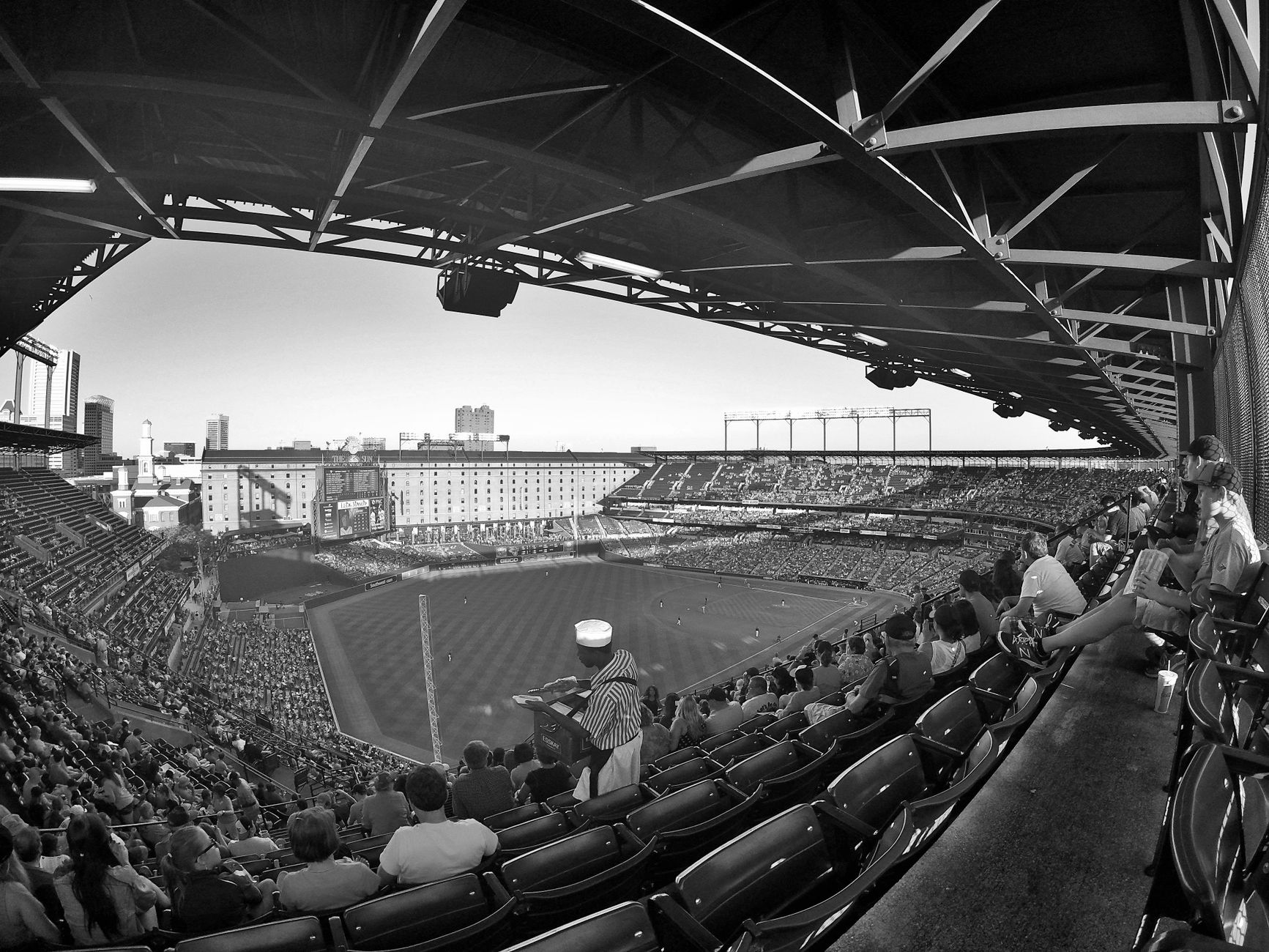
Yes, and it starts with being flexible about which game you pick. Games 3, 4 and 5 are the three cheapest potential games, with get-in prices between roughly $700 and $825 across the two data sources. Those games are in the Tampa Bay area, so travel adds cost, but the ticket savings can more than cover a flight for some fans.
The table below compares the likely options for a fan on a budget.
| Option | Typical cost | Trade-off |
|---|---|---|
| Milwaukee Game 1 or 2 | $2,700 to $3,100 get-in | Most atmosphere, highest price |
| Milwaukee Game 6 or 7 | $2,100 to $2,550 get-in | Only played if needed |
| Tampa Bay Games 3 to 5 | $700 to $825 get-in | Lower price, travel required |
| Watching at a bar or at home | Cost of a meal | No stadium, plenty of company |
Games 5 through 7 happen only if the series goes long, so tickets for those dates carry an extra risk. If the series ends early, you may not need them at all, and refund policies vary by seller. Read the policy before you buy.
What Is the Brewers' Timeless Ticket?
It is a rare example of a team protecting fans from market prices. The Brewers announced the $1,000 personalized brass Timeless Ticket in October 2014, and it has no expiration date. TicketNews reports that one holder, Nate Holzman, redeemed his for Game 1 and bought three more terrace seats at $1,000 each.
Redemptions go through the team, depend on availability and cannot be resold. The team began accepting 2026 World Series requests on October 14. For the holder, the ticket now looks like a bargain. For everyone else, it shows how far market prices sit above face value.
How Do These Prices Compare With Other Live Events?
Context helps. The same Field Level Media report, citing TicketData.com, lists a regular-season NBA game between the 76ers and Knicks at a $1,800 get-in price and the opening game of the WNBA Finals between the Dream and the Valkyries at $275. A baseball game costing more than either shows how unusual a first-ever title chase can be.
Super Bowl LX's get-in price settled at $3,361 hours before kickoff in February. The Seahawks beat the Patriots in that game. Game 1 of this series is within about 8% of that figure on the get-in measure, even though baseball plays far more home games than football.
That last point is a useful reminder about scarcity. A World Series home game happens at most four times at one ballpark in a year, so every seat is a rare item. When supply that small meets demand that large, prices stretch quickly.
Should You Pay Up or Pass?

It depends on what the experience is worth to you, and on how you will pay. Spending $3,000 on credit to see one game is a different decision than spending $750 saved in advance. Our explainer on why credit card interest rates are so high in 2026 shows how quickly a big charge grows if you carry it.
Splitting a payment with a buy-now-pay-later plan can feel painless, but it is still debt. Our guide to buy now, pay later in 2026 explains where those plans bite. For the broader holiday picture, our report on Halloween 2026's record spending shows how consumers keep paying up for experiences even when budgets feel tight.
There is also a nostalgia effect at work. Our piece on why nostalgia keeps dominating what we watch and listen to helps explain why a once-in-decades team run commands a premium. Fans are buying a memory as much as a seat.
One practical habit helps with any big event. Set a price alert on two or three listings rather than refreshing a single page. Alerts show you the real range of asking prices and keep you from buying in a panic after a headline pushes numbers up. It also shows you how often sellers lower prices, which tells you how much room there is to wait.
The Bottom Line on World Series Prices
Record prices come from a simple mix: a rare team run, a fixed number of seats and a resale market that reprices in real time. Fans who stay flexible, compare all-in costs and watch listings over several days can still find better deals than the headlines suggest.
At The Spectrum Post, our editors will keep following how prices move as the series continues. Your next step is to decide your hard limit before you open a ticket app, then stick to it, including fees.