Thanksgiving Dinner Will Cost About $90 in 2026: Why Turkey and Cranberries Rose While Butter Fell
PwC expects the average family's holiday meal to cost $90, up from $88. Here is what is driving each price and how to trim the bill.
In this article 10 sections
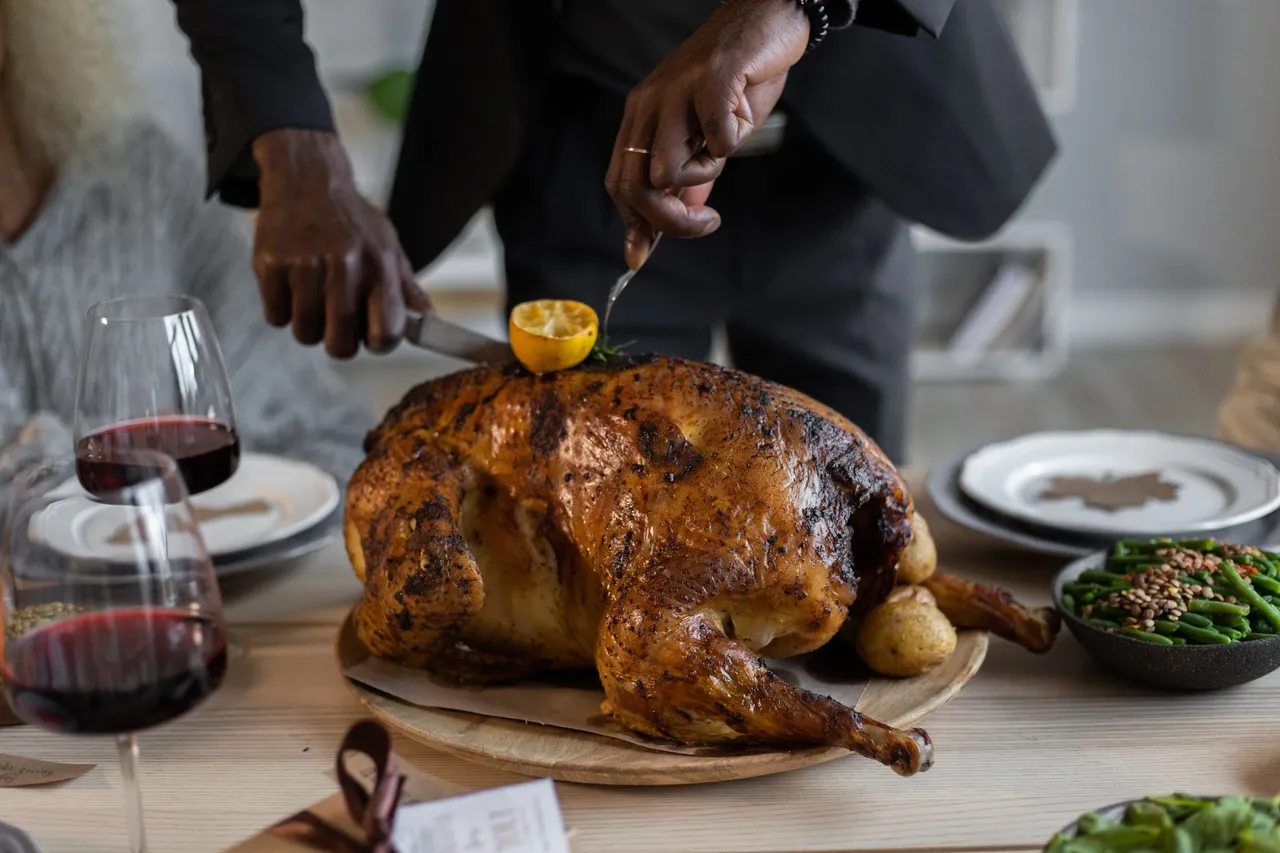
Thanksgiving dinner will cost the average American family about $90 in 2026, up from $88 last year, according to PwC. Turkey is up nearly 8% and cranberries nearly 15%, while butter is down 10% and cream is down 6%. The total rises only slightly, but individual items move a lot.
This explainer is for anyone planning a holiday meal, whether you host ten people or bring a single dish. It covers what PwC found, what the government's price data shows, why gasoline matters to a dinner table, and how to trim the bill without shrinking the meal. The Spectrum Post explains the numbers people argue about at the grocery store, and this year the Thanksgiving basket tells a more interesting story than its total suggests.
What Does PwC Expect Thanksgiving to Cost in 2026?

PwC expects the typical American family to spend about $90 on Thanksgiving this year. The firm's Ali Furman put it plainly in an October 16 report: "This year Thanksgiving is expected to cost the average American family about $90 versus just $88 last year." The report, covered by ABC News station coverage of the forecast, links the rise to higher inflation, which hit a four-month high.
The $2 gap is about 2.3%. That is a mild increase, and it is smaller than the headline inflation rate. A modest total hides large swings underneath, which is why the shopping list matters more than the average.
The same report gave two quick price points for shoppers who want a benchmark. Aldi's Thanksgiving basket, which feeds ten and includes a 16-pound turkey, sides and a pumpkin pie, costs under $39. Sam's Club's meal deal runs about $160 and feeds up to 16 people. Those numbers describe very different shopping styles, not a market average.
Which Thanksgiving Foods Cost More, and Which Cost Less?
The split is uneven. PwC found turkey nearly 8% higher than last year and cranberries nearly 15% higher. Butter fell 10% and cream fell 6%. The pattern means the centerpiece and one famous side dish cost more, while some baking staples cost less.
| Item | Change from last year | Source |
|---|---|---|
| Cranberries | Up nearly 15% | PwC |
| Turkey | Up nearly 8% | PwC |
| Beef and veal | Up 3.5% | BLS |
| Dairy products | Down 0.7% | BLS |
| Cream | Down 6% | PwC |
| Butter | Down 10% | PwC |
| Eggs | Down 20.6% | BLS |
The table mixes two sources, so read it as a guide, not a single index. PwC modeled a holiday basket. The Bureau of Labor Statistics (BLS) measures all U.S. households across the whole year.
Why Are Cranberries So Much Pricier This Year?
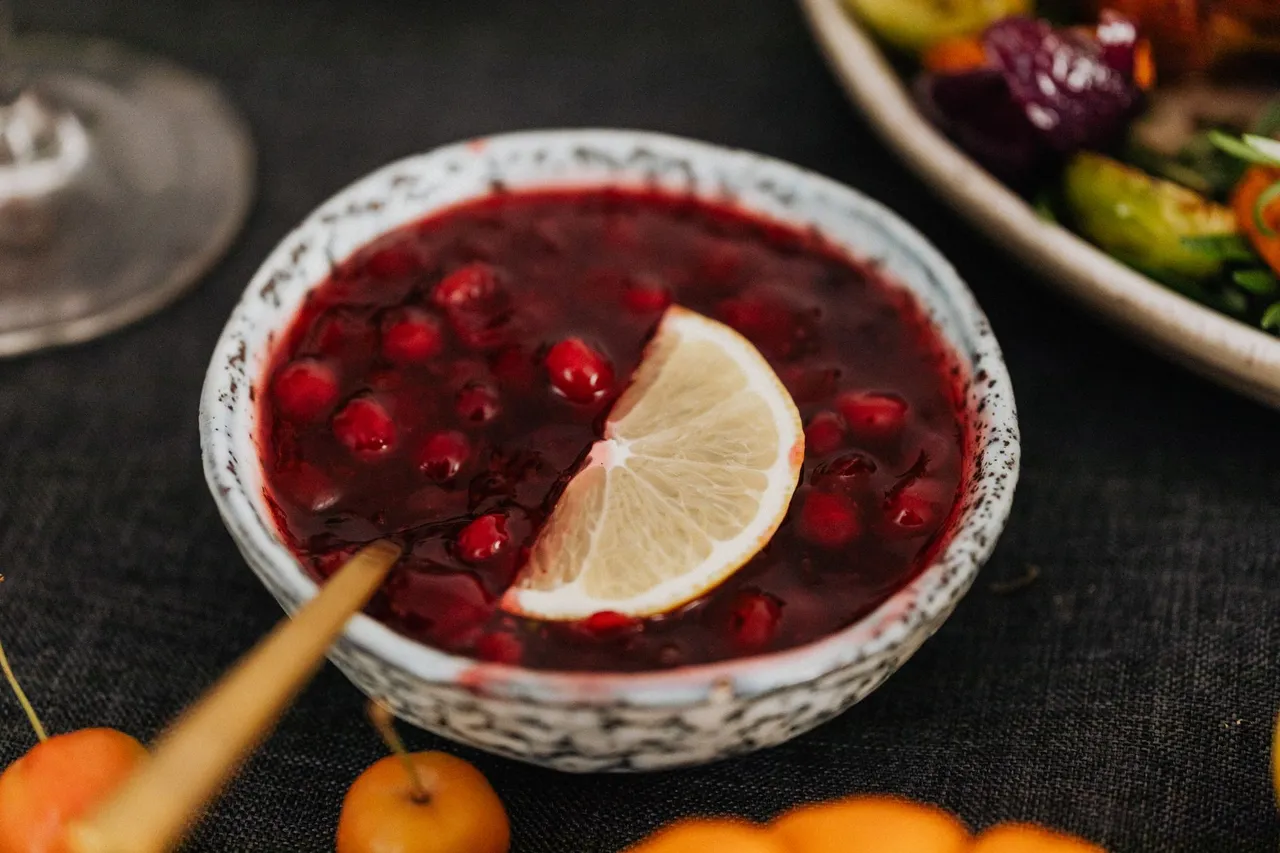
Cranberries are pricier because of supply and cost. PwC pointed to a smaller harvest and higher production costs. A bog crop that comes in light leaves fewer berries for the same fixed holiday demand, and growers pass on more of their costs when volume is thin.
Cranberries also have a short season. Most of the crop is harvested in the fall, so shoppers cannot wait for a restock the week before Thanksgiving. A can of jellied sauce is the one item many households refuse to skip, which keeps demand firm even at a higher price.
If your family can live without it, a fresh bag costs more than a can in most stores, and frozen berries are a middle path. Check the unit price per ounce before assuming fresh is the best value.
Does Gasoline Really Affect the Thanksgiving Table?
Yes, through transport and packaging. The September consumer price report put overall inflation at 3.7% over 12 months, with gasoline up 34.2% and energy up 20.4%, according to the Bureau of Labor Statistics. Food costs more to move when fuel is expensive, and that cost shows up gradually on shelves.
The effect on groceries has been small so far. BLS reported food at home up only 1.8% over the year, and down 0.1% in September alone. Food away from home rose 3.5%. That gap is worth noticing if your plan includes eating out, or buying a full catered meal.
Our look at why inflation rose to 3.7% in September explains how gasoline did most of the work. The Thanksgiving basket is a small, tasty example of the same pattern: energy-driven costs rise slowly through the supply chain, while some farm goods get cheaper.
What Is Going Right for Egg and Dairy Prices?
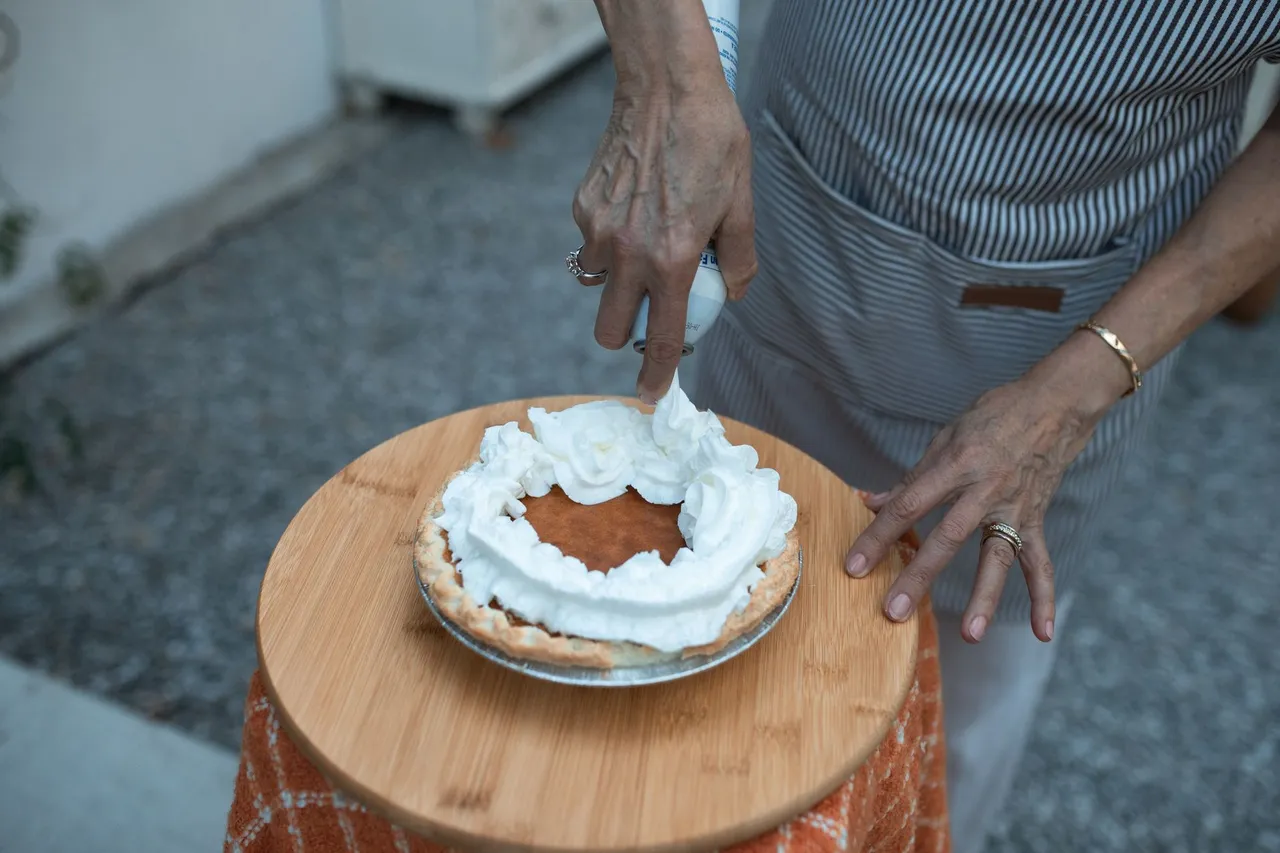
Eggs and dairy are the bright spots. BLS reported egg prices down 20.6% over the year and 1.3% in September. Dairy and related products fell 0.7% over the year, and milk dropped 2.0% in September. PwC's butter and cream declines fit that picture.
This matters for the pie crust, the mashed potatoes and the custard. These are the dishes that cost the most to get wrong, and they are some of the cheapest to make right now. If your menu leans on baking, the savings partly offset the turkey.
The catch is timing. Egg prices swung wildly in earlier years, so a low price in September may not hold. Buy what you need for the holidays by mid-November, and keep a few cartons for the weeks after.
How Can You Trim the Bill Without Shrinking the Meal?
The simplest savings come from planning, not coupons. Follow these steps in order:
- Set a headcount and a menu by early November.
- Check what you already have, so you do not buy a third bag of flour.
- Ask guests to bring a side, dessert or drinks.
- Buy shelf-stable items while they are on sale.
- Choose a frozen turkey and start thawing it early.
- Plan leftovers so nothing gets thrown away.
A potluck is the biggest lever. If five guests each bring a dish, the host cuts the grocery bill by a third or more, and the table gets more variety. It is also a long-standing holiday tradition, not a sign of cutting corners.
For a small group, consider a turkey breast instead of a whole bird. A smaller roast cuts waste and cost, and it cooks faster. Larger households may still prefer the whole turkey for the leftovers.
Is a Restaurant or Catered Thanksgiving Worth It?
It costs more than cooking at home, and the gap is widening. BLS reported food away from home up 3.5% over 12 months, nearly double the 1.8% rise for food at home. A restaurant meal or a catered dinner follows the faster-rising number, because labor and rent sit inside the price.
That does not make it a bad choice. For a small household, a prepared meal can cost less than buying a whole turkey and every side, since you avoid leftovers you will not eat. The key is to compare the per-person price with your own grocery math before you decide.
If you order a prepared meal, ask what is included. Some packages leave out drinks, bread or dessert, and a $160 meal for 16 turns into a $220 meal after add-ons. Read the pickup date as well, because popular slots fill up in early November.
How Does the Holiday Season Add Up Beyond Dinner?
Dinner is only the start. Shoppers also face travel costs, gifts and shipping. We covered the next big bills in our guides to the Black Friday 2026 forecasts and to holiday airfares heading for a decade high.
The lesson across all three is the same. A holiday budget works best when you set it by category and revisit it weekly. Thanksgiving dinner is the one cost you can plan to the dollar, so it is a good place to practice.
Why Does a Small Total Hide Big Swings?

An average basket smooths out the very things people notice. A family that serves turkey, cranberry sauce and a butter-heavy menu may pay more than $90. A family that serves ham, rolls and pie may pay less. The price a household faces depends on its own menu.
The cultural side matters as well. Thanksgiving is one of the few meals where every household serves roughly the same dishes, which makes price changes easy to compare. That is why a cranberry shortage lands in the group chat before it lands in an economic report.
One more point on method. Forecasts like PwC's assume a standard menu, and they cannot see substitutions. Households that swap a ham for a turkey, or canned pumpkin for fresh, change their own bill in ways no average captures. Treat the $90 as a starting line for your own list, not a target you must hit.
Conclusion
Thanksgiving dinner is set to cost about $90 in 2026, up modestly from $88. The Spectrum Post's editors compared the PwC forecast with the September BLS data and found a consistent pattern: gasoline is pushing some costs up, while eggs and dairy are getting cheaper.
Your next step is a one-page menu with a price beside each dish. Cross off the items you can borrow, split or skip, and buy the shelf-stable ones in early November.