How Podcast Listening Habits Have Actually Changed
Podcasts moved from a niche hobby to a mainstream daily habit for millions. Here is what the listening data actually shows in 2026.
In this article 8 sections
Podcasts have completed a genuine transformation from a niche hobby favored by a small, dedicated audience into a mainstream daily habit for millions of Americans. What started as a format built around RSS feeds and independent creators has grown into a category commanding serious advertising dollars and celebrity-hosted shows with production budgets to match.
This piece looks at how listening habits have actually shifted, which platforms have won the most listener attention, and what's changed about who's actually making podcasts. It's written for anyone curious whether the podcast boom is still growing or has started to plateau after more than a decade of steady expansion.
How Many People Are Actually Listening?
Survey data from the Edison Research Infinite Dial study, one of the most closely watched annual surveys of digital media habits, shows a majority of Americans have listened to a podcast at some point, with a substantial share reporting regular weekly listening. That weekly figure has grown steadily for over a decade, a rare example of sustained growth in a media category during a stretch when many other formats saw more uneven or declining engagement.
We've reviewed several years of this survey data at The Spectrum Post, and the growth curve hasn't shown clear signs of plateauing yet, even as the number of available podcasts has grown into the millions, meaning individual show discovery has become genuinely harder even as overall listening keeps climbing.
What Are People Actually Listening To?
News and current events, true crime, comedy, and health and wellness consistently rank among the most listened-to categories, though the specific top titles shift regularly as new shows launch and audience attention moves between them. Interview and conversation-format shows have also grown substantially, often running considerably longer than traditional broadcast media formats, since podcast listening doesn't carry the same time constraints as scheduled radio or television programming.
Celebrity and high-profile hosted shows have become an increasingly visible part of the category, drawing production budgets and advertising rates that would have seemed unusual for the format a decade ago, when podcasting was still associated primarily with independent creators working with minimal equipment.
How Has Video Podcasting Changed the Format?
Video podcasting, where a show films its recording sessions for platforms that support video alongside audio, has grown into a significant secondary format rather than a niche experiment. Some shows now report a meaningful share of their total audience consuming episodes as video rather than audio-only, a shift that has pushed some independent podcasters toward more elaborate studio setups than the format originally required.
This shift mirrors a broader pattern in entertainment where audience expectations around production quality have risen across categories that used to tolerate a much lower production bar, pushing creators across many formats toward more polished output than earlier eras of the same medium required.
Where and When Are People Actually Listening?
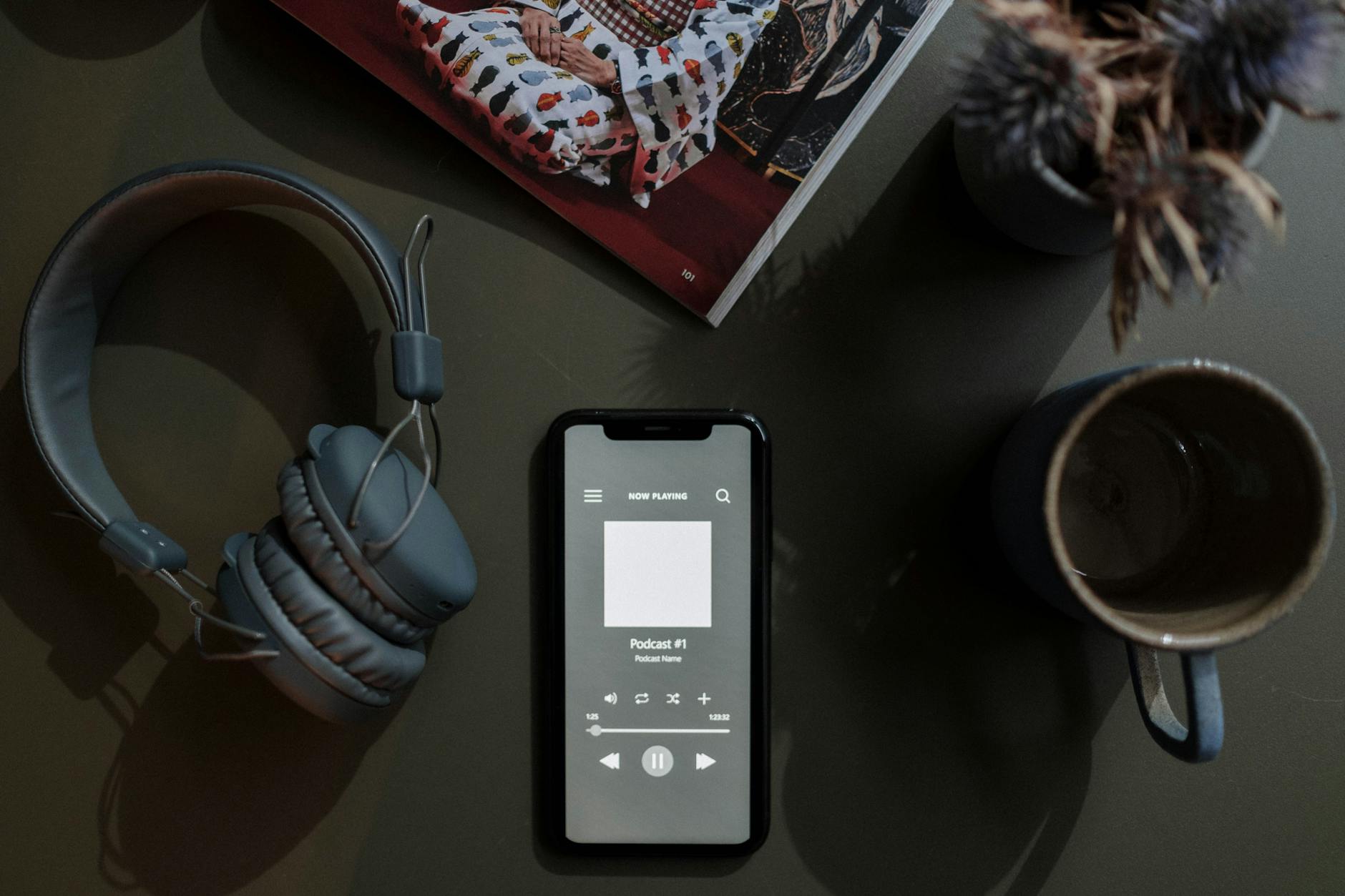
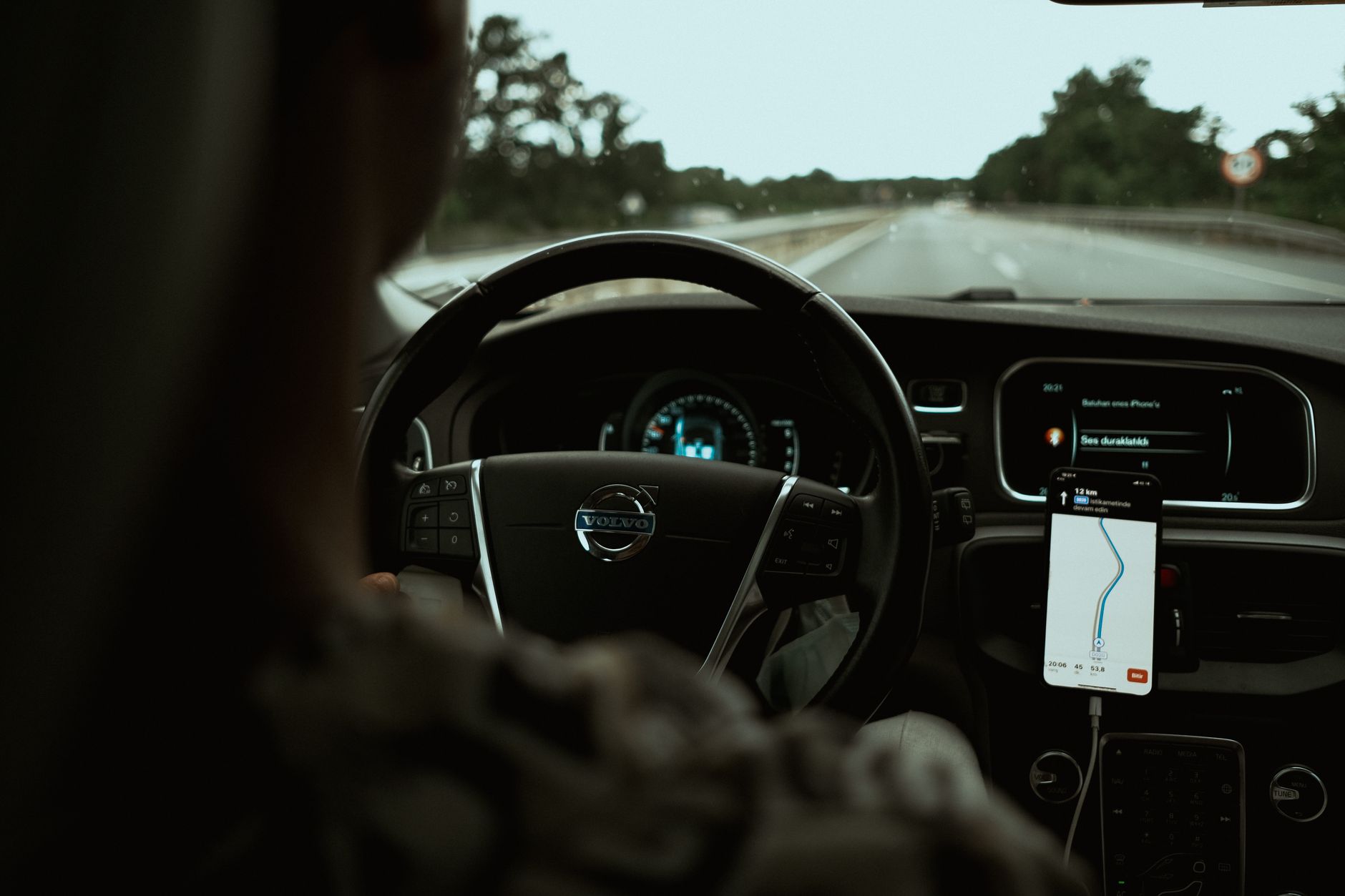
Commuting and exercising remain the two most commonly cited listening contexts, reflecting podcasts' original appeal as a way to fill otherwise passive time with something more engaging than silence or music alone. Smart speaker adoption has also opened up in-home listening as a growing context, letting podcasts compete more directly with radio and streaming music for attention during household tasks and downtime that used to default to other audio formats.
Listening on smartphones remains overwhelmingly dominant as the primary device, though smart speakers and connected car systems have both grown as secondary access points, a shift the Pew Research Center's audio and podcasting fact sheet has documented alongside the broader growth in weekly listening, broadening the moments during a typical day when someone might reach for a podcast rather than another form of entertainment.
How Has Advertising Money Changed the Category?
Advertising revenue has professionalized what used to be a largely independent, hobbyist medium, with major advertisers now treating top podcasts as a serious channel alongside television and digital display advertising. That revenue has funded higher production budgets, exclusive licensing deals for major shows, and, in some cases, acquisition of independent shows by larger media companies looking to consolidate audience attention under a single umbrella.
This consolidation has drawn some criticism from longtime independent creators who worry the format's original low-barrier-to-entry appeal is eroding as larger, better-funded operations increasingly dominate the most listened-to charts, even as the sheer number of total available podcasts keeps growing rather than shrinking. The Interactive Advertising Bureau's podcast advertising revenue study has tracked this professionalization closely, documenting steady year-over-year ad revenue growth even as listener growth itself has moderated somewhat from its earliest boom years.
It's a familiar arc for media formats that start independent and scale into mainstream, mass-market territory, not unlike how crowdfunding reshaped independent creative industries more broadly, opening doors for new creators even as larger, better-resourced players increasingly capture a growing share of total audience attention.
How Has Discovery Changed as the Category Has Grown?
With millions of available podcasts now competing for listener attention, discovery has become a genuine challenge distinct from the earlier era when a smaller, more curated selection made finding something new relatively straightforward. Platform algorithms, social media clips, and guest cross-promotion between shows have all become more important discovery mechanisms than the older model of browsing a category chart and picking something that looked interesting.
We've noticed short-form clips shared on social platforms functioning as a particularly effective discovery tool, letting a potential new listener sample a show's tone and content in a few seconds before committing to a full episode, a much lower-friction path to a new subscriber than the earlier era's reliance on chart rankings and word-of-mouth recommendations alone. Many shows now produce these clips deliberately as a marketing strategy rather than leaving discovery entirely to chance, treating short-form video as an on-ramp specifically designed to funnel new listeners toward full-length episodes.
Are Podcast Subscriptions Becoming More Common?
Paid podcast subscriptions, offering ad-free listening or bonus content for a monthly fee, have grown as a revenue stream alongside traditional advertising, giving creators a second monetization path beyond ad sales alone. This mirrors the broader shift toward subscription-based media models seen across streaming video and music, suggesting podcasting is converging with other entertainment formats' monetization strategies rather than remaining a distinctly ad-only category the way it largely was in its earlier years. Some creators now run a hybrid model, keeping a free ad-supported feed available while offering an ad-free or bonus-content tier for paying subscribers, capturing revenue from both casual listeners and dedicated fans simultaneously.
Conclusion
Podcast listening has genuinely transformed from a niche hobby into a mainstream daily habit, with growth that's held up for over a decade rather than proving to be a temporary trend. Video's rise as a secondary format and advertising's professionalizing effect on the category are the two clearest signs of how far podcasting has come from its independent, RSS-feed origins. The Spectrum Post covers media consumption trends like this one as they continue to reshape how people spend their listening time, whether during a commute, a workout, or a quiet evening at home.