The Memory Chip Shortage Is Making Phones and Laptops Cost More in 2026
AI data centers are soaking up memory supply, and the bill is landing on shoppers. Here is what is happening and how to buy smarter this holiday season.

In this article 10 sections
A memory chip shortage is raising phone and laptop prices in 2026 because AI data centers are buying up the same DRAM and NAND memory that consumer devices use. TrendForce expects DRAM contract prices to rise about 20% again in the fourth quarter. Shoppers should expect higher prices and thinner budget options through at least mid-2027.
Memory is the unglamorous part of every device, and it has quietly become the most expensive surprise on the spec sheet. Gadgets did not suddenly get fancier. The parts inside them got costlier. The Spectrum Post tracks where technology and your wallet meet, and this explainer is for anyone planning to buy a phone, laptop or tablet before the end of the year.
What Is the Memory Chip Shortage?
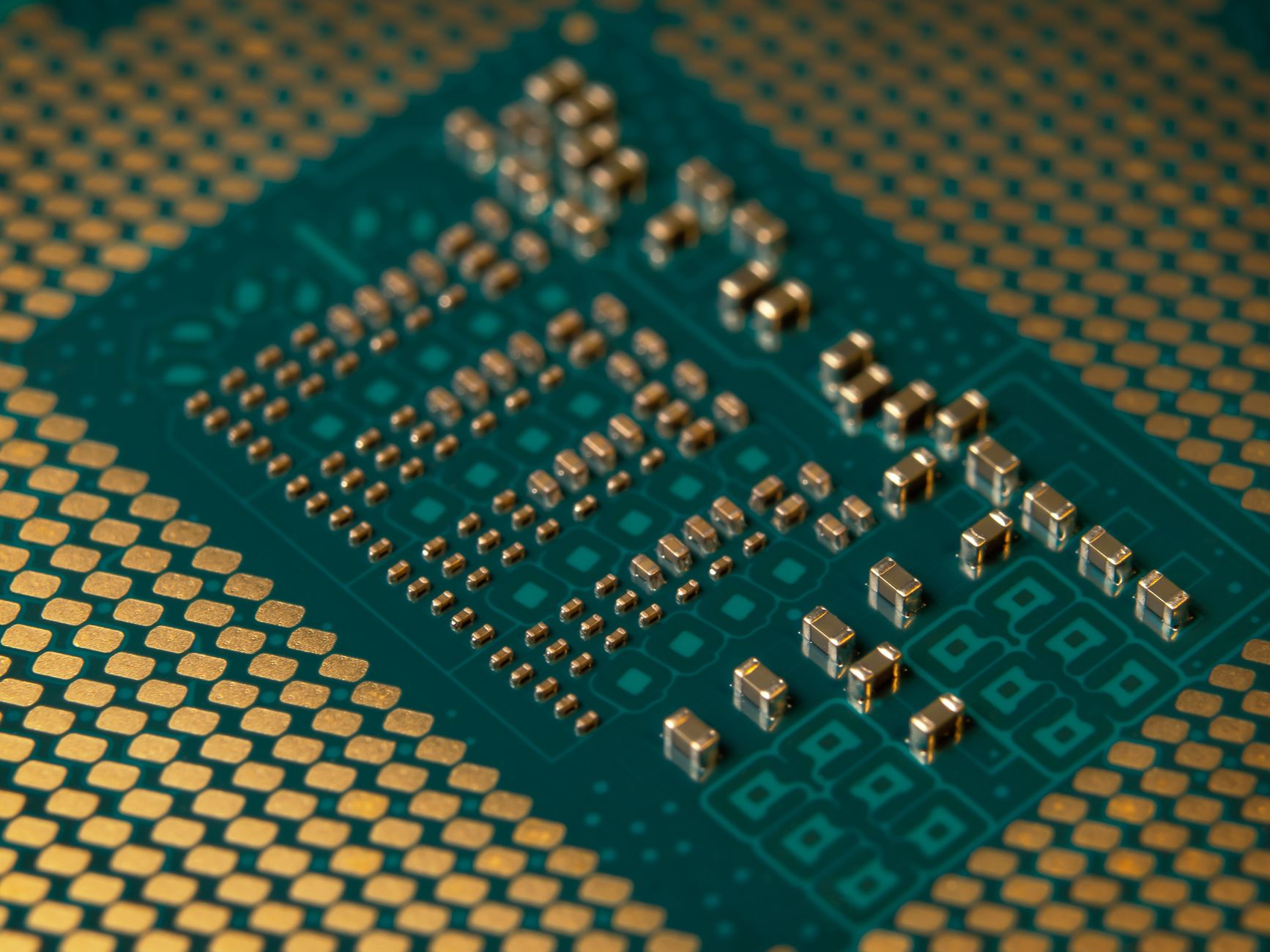
It is a supply squeeze in two kinds of memory. DRAM is the fast, temporary memory a device uses while it is working. NAND is the flash storage that holds your photos, apps and files. Phones, laptops, game consoles and cars all depend on both.
Makers of those chips build them in a limited number of factories. Over the past year, much of that capacity has moved toward products for AI servers, which sell at higher margins. That leaves less supply for the ordinary memory in your pocket.
The market research firm IDC describes the cause plainly. In an April report covered by eeNews Europe, IDC said AI infrastructure build-outs compete with phones for the same DRAM and NAND capacity, and suppliers favor higher-margin server and high-bandwidth memory products.
How Fast Are Memory Prices Rising?
Very fast, though the pace is slowing from its peak. Citing TrendForce, StockHub reported on October 20 that DRAM contract prices are projected to rise about 20% quarter over quarter in the fourth quarter of 2026. That compares with about 80% in the second quarter and about 40% in the third.
TrendForce attributes the slower growth to a high base, weakening buyer purchasing power and the gradual application of long-term agreement price caps. In plain terms, prices are still going up, just from a much higher starting point.
Demand from AI is the main driver. The same report cites AI inference, large models and the memory they need as boosting demand for server DRAM and enterprise solid-state drives. Supply will not expand quickly either. One new chip technology could shrink memory cells by about a third, but full commercialization is projected only after 2028.
How Does This Show Up in Phone Prices?

It shows up as higher sticker prices and fewer cheap options. IDC now expects global smartphone shipments to fall 13.9% in 2026, to 1.09 billion units, according to its June update, reported by IT Brief. That would be the steepest drop in smartphone history. IDC expects Android shipments to fall about 20% and Apple's about 5.2%.
The same report says the average selling price is on track for a record $550, up $100 from last year.
Earlier in the year, IDC had projected a 12.9% decline and a $523 average price. The forecast has only moved in one direction since. Phones priced below $100, which IDC counted at about 171 million devices, are expected to become effectively uneconomical for makers.
What About Laptops and PCs?
Laptops face the same math. Memory and storage are a meaningful slice of what it costs to build a notebook, so higher chip prices push up what makers charge. IDC warned in late 2025 that PC makers might raise prices by up to 8%, and that Dell, Lenovo, HP, Asus and Acer had already confirmed increases, according to TechSpot.
The same coverage noted that Samsung and Apple had secured memory supply for 18 to 24 months. That gives bigger brands some cushion, though it does not make them immune once those contracts expire.
Budget laptops with small amounts of memory are most likely to see spec cuts. A cheaper laptop may ship with less memory, or with a smaller drive, instead of a higher price tag. That is a quieter way to raise the cost per unit of performance.
Will Prices Come Back Down Soon?
Not soon. IDC says supply pressure is expected to persist through 2026 and into mid-2027, and that prices are unlikely to return to 2025 levels within its forecast horizon. Shipments may recover modestly, with IDC projecting 2% growth in 2027 and 5.2% in 2028, but the ultra-cheap phone segment is not expected to come back.
An earlier eeNews report cited a warning from memory maker SK hynix that the squeeze could last until 2030. That is a long-range worry, not a forecast, but it signals how tight the industry thinks supply could be.
If you are waiting for a price drop before upgrading, plan on waiting a long time. A better approach is to decide whether your current device is actually failing.
Why Can't Chipmakers Just Build More Memory?
Because chip factories take years to build and cost enormous sums, and the profit is better elsewhere. A maker deciding where to point its limited capacity will choose the product with the highest margin, which today is memory for AI servers.
The StockHub report points to two long-range factors. One is a new cell design that could shrink memory cells by about 33% compared with the mainstream approach, but it is not expected to be fully commercial until after 2028. The other is the design of the memory stacks used by AI chips, where a change in stack height would alter how much memory each processor needs and what it costs per gigabit in 2027.
The takeaway is that no single announcement fixes this quickly. Even if a manufacturer adds capacity tomorrow, it takes time to turn into chips on shelves. That is why analysts talk about the shortage in years, not months.
It also means the pressure may come in waves. Some quarters will show smaller increases, as the fourth quarter does compared with the second, but that is a slowdown in the rise, not a fall in prices.
Should You Buy Now or Wait?

It depends on how old your device is and how much you can afford to spend. If your phone or laptop works fine, keep it. If it is slow, cracked or out of security updates, buying now may cost less than buying six months from now.
The checklist below can help you decide.
- Check whether your device still gets security updates from its maker.
- Test whether a battery replacement or storage cleanup solves your real problem.
- Compare last year's models, which often have the same memory for less money.
- Watch for holiday sales, but compare the price history, not just the discount percentage.
- Skip upgrades in memory or storage you will not use.
Repair is a legitimate option. Our guide to right-to-repair laws and fixing your phone explains what you can now do without a manufacturer's permission. A new battery costs far less than a new phone.
How Can You Save on a New Device This Holiday Season?
Look for discounts on previous-generation hardware. Retailers clear last year's stock to make room, and the difference in real-world speed is usually small for everyday tasks.
Foldables and flagships are the most exposed to price creep, because they carry the most memory. Our look at whether foldable phones are worth buying in 2026 covers where the premium makes sense.
Shopping around matters too, since sales in the weeks ahead can be uneven. Our report on Black Friday 2026 and what shoppers should know explains how to separate real deals from inflated "original" prices.
What Does the Shortage Mean for Investors and Jobs?

Chip makers that supply AI memory are doing well, while consumer-focused device makers face pressure on margins. That split helps explain some of the recent volatility in technology stocks, which our explainer on the AI chip stock selloff and what it means for your 401(k) covers in more detail.
For ordinary households, the more direct effect is on budgets. A $100 price increase on a phone is not dramatic by itself, but it adds up across a family of four, plus a laptop and a tablet.
It may also change how long people keep devices. If upgrades cost more, owners hold on to phones longer, and software support becomes a deciding factor in what to buy.
The Bottom Line on Memory Prices
The memory shortage is a real, measurable squeeze with a clear cause. AI demand is competing with consumer devices for the same chips, and consumers are paying the difference. Prices are likely to stay elevated through 2027.
At The Spectrum Post, our editors will keep following the data as new forecasts arrive. Your next step is to check how old your phone and laptop are, note when each stops receiving updates and set a budget before the holiday sales begin.