Are Foldable Phones Actually Worth Buying in 2026?
Foldables have gone from novelty to a real mainstream category. Here is an honest look at durability, price, and whether the format has matured.
In this article 8 sections
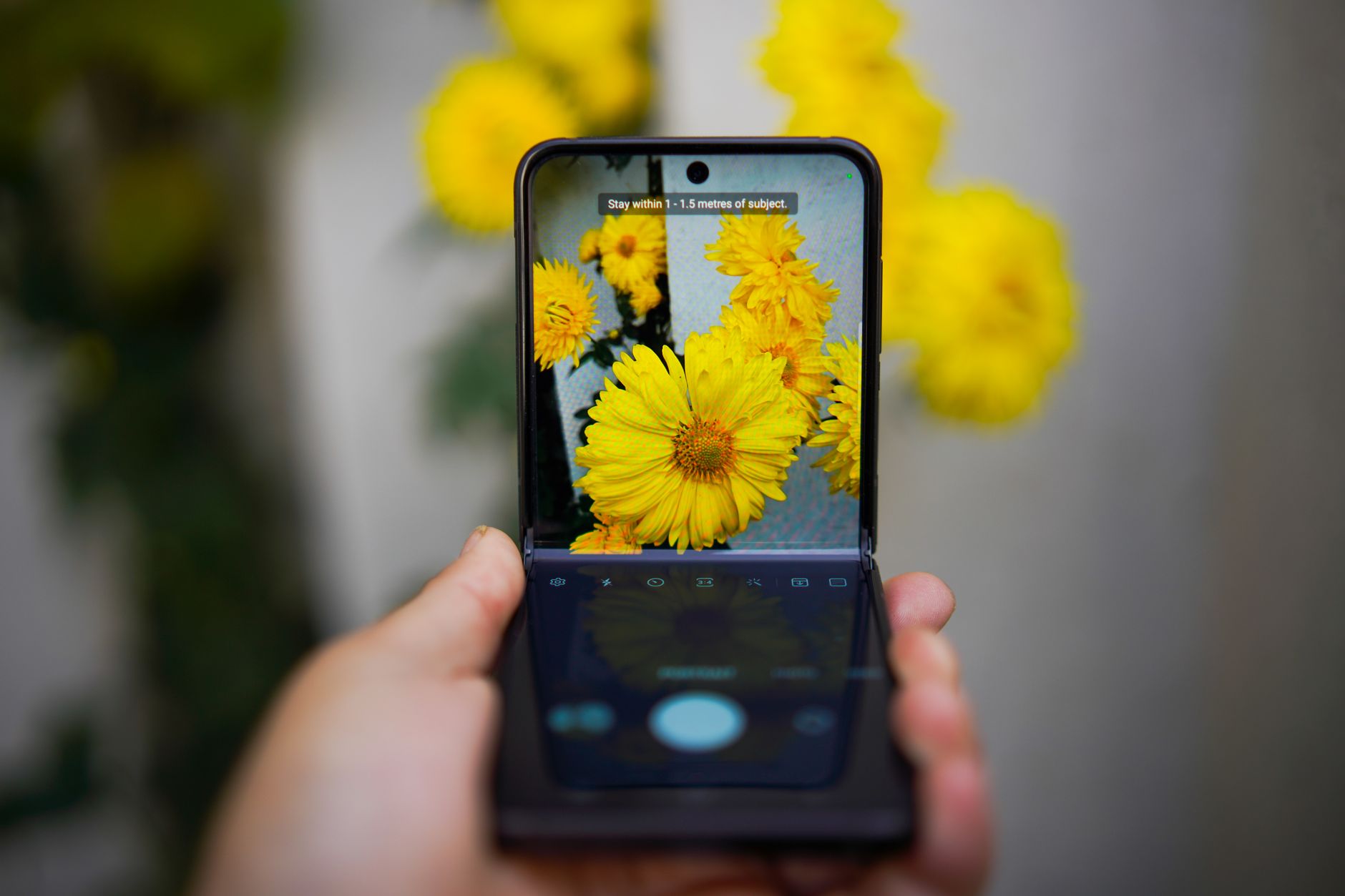
Foldable phones have moved well past their earliest, more experimental generation, when durability concerns and a steep price premium made them feel like a novelty for early adopters rather than a genuine mainstream option. Several years and multiple hardware generations later, the format has matured considerably, though the core tradeoffs haven't entirely disappeared.
This guide gives an honest look at where foldable phones actually stand in 2026: durability, price, software support, and who the format genuinely makes sense for. It's written for anyone tempted by a foldable's larger unfolded screen but wary of repeating an earlier generation's growing pains.
How Much Has Durability Actually Improved?
Hinge mechanisms in current-generation foldables are generally rated for well over 100,000 fold cycles, a benchmark Consumer Reports' foldable durability testing has verified independently, up substantially from the earliest models, which faced widely publicized durability failures shortly after launch. Manufacturers have also improved the protective layer covering the flexible display itself, addressing another early weak point where the screen's outer surface was more susceptible to scratching and denting than a traditional glass phone screen.
We've followed durability testing from several independent reviewers at The Spectrum Post, and the consensus has shifted meaningfully: a foldable purchased today is considerably more durable for everyday use than one purchased at the format's 2019 launch, even though it remains somewhat more fragile than a standard slab phone under equivalent stress, particularly around dust and debris exposure to the hinge mechanism.
Why Do Foldables Still Cost So Much More?
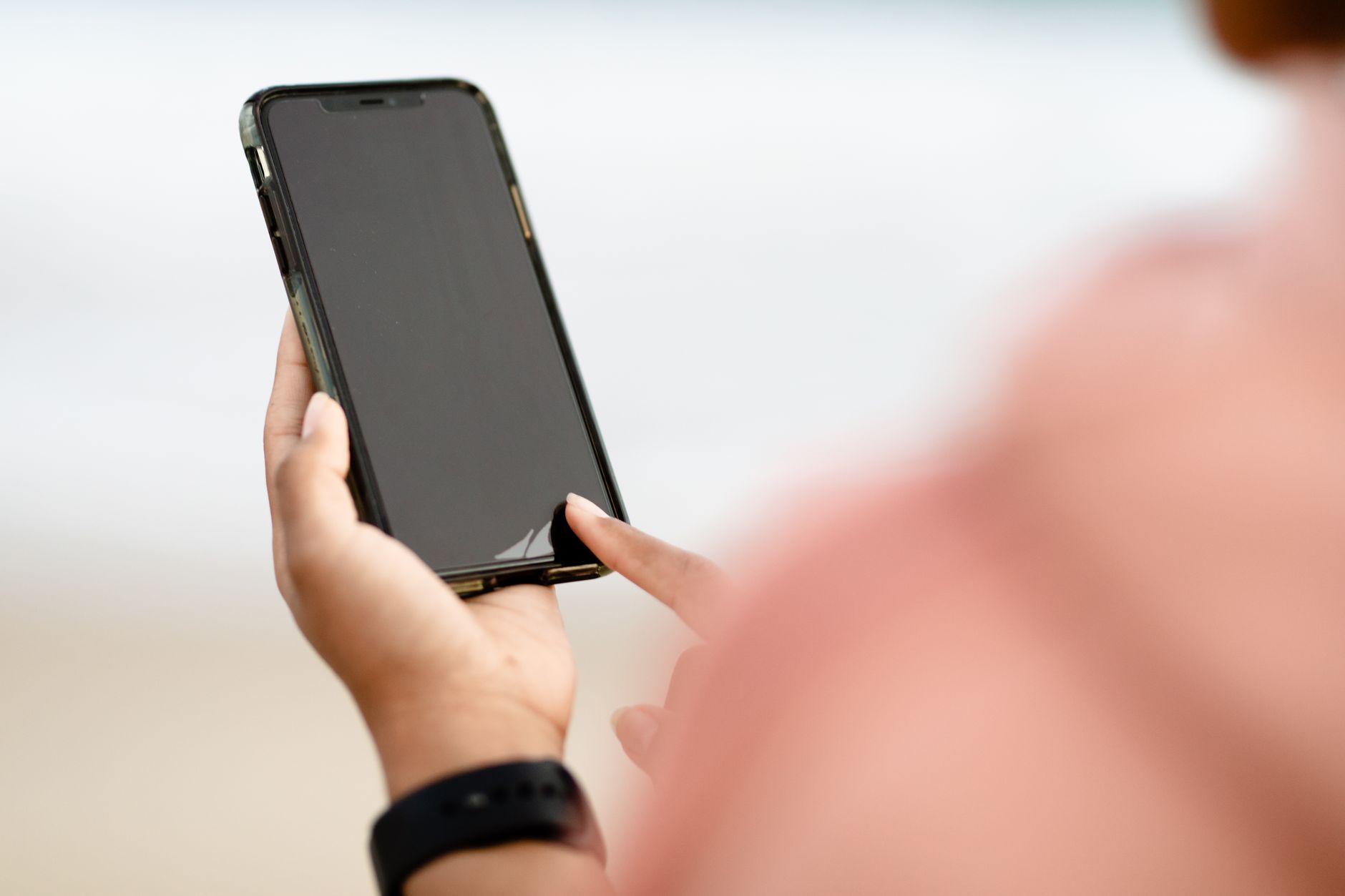
Foldable phones require more complex hinge engineering, specialized flexible display technology, and meaningfully lower production volumes than standard smartphones, all of which add real manufacturing cost that gets passed on to the buyer. A flagship foldable commonly costs several hundred dollars more than an equivalent standard flagship phone from the same manufacturer, a gap that has narrowed somewhat as production has scaled but hasn't closed entirely.
| Factor | Effect on price |
|---|---|
| Specialized flexible display | Significant cost premium |
| Complex hinge mechanism | Meaningful cost premium |
| Lower production volume | Reduces economies of scale |
| Maturing manufacturing process | Gradually narrowing the price gap |
Is the Screen Crease Still an Issue?
The crease running across a foldable's screen where it bends has become less visually prominent with newer hinge designs that allow a gentler, less sharply angled fold, though it remains detectable, particularly under certain lighting angles and to the touch. Most reviewers and long-term owners describe the crease as something that fades into the background of everyday use after an initial adjustment period, though it remains a genuine, non-eliminated tradeoff of the format rather than a fully solved problem.
Whether the crease bothers a specific buyer often comes down to personal sensitivity and how the phone gets used; someone who frequently swipes across the fold point notices it more than someone using the device primarily unfolded for reading or video.
Has Software Kept Up With the Hardware?

Software optimization for foldable screens has improved considerably since the format's early years, when many apps simply stretched a phone-sized interface across the larger unfolded screen rather than taking real advantage of the extra space, a gap Android's own large-screen and foldable design guidelines have specifically targeted with updated developer standards. Multitasking features that let two apps run side by side on the unfolded display have become more refined and more widely supported by major apps, a meaningful improvement over the earlier experience where multitasking often felt like an afterthought bolted onto software not designed for it.
This mirrors the broader pattern seen with how consumer electronics mature over multiple product generations, where the first version of a genuinely new form factor typically arrives ahead of the software ecosystem needed to fully take advantage of it.
Who Does a Foldable Actually Make Sense For?

Buyers who genuinely value a larger unfolded screen for reading, video, or multitasking, and who can comfortably absorb the price premium, tend to report the highest satisfaction with foldables. Buyers primarily looking for a standard phone experience with a novel form factor, without a specific use case that benefits from the larger unfolded screen, often find the tradeoffs harder to justify against a considerably cheaper standard flagship phone offering similar core performance.
Resale value has also historically lagged behind standard smartphones for foldables, a pattern consumer electronics resale market trackers have documented, reflecting both a smaller secondhand buyer pool and lingering buyer caution around hinge durability in a used unit with an unknown fold-cycle history, a consideration worth factoring in for buyers who typically trade in or resell their phone every couple of years. It's a similar dynamic to the resale considerations covered in the broader secondhand goods market, where buyer trust in a used item's condition history directly affects what it's worth on resale.
How Do Battery Life and Performance Compare?
Battery life on foldables has generally trailed standard flagship phones somewhat, since fitting a battery large enough for all-day use into a thinner, folding chassis is a genuine engineering constraint that's harder to solve than in a standard phone's simpler, single rigid body. Recent generations have narrowed this gap considerably through more efficient processors and improved battery chemistry, though a heavy user running the larger unfolded screen frequently should still expect somewhat shorter battery life than an equivalent standard phone.
Raw processing performance has largely caught up to standard flagships, since foldables typically ship with the same top-tier processor generation as a manufacturer's standard flagship line, meaning the performance gap that mattered in earlier foldable generations has mostly closed for day-to-day use, gaming, and multitasking.
What Should a First-Time Buyer Actually Test Before Purchasing?
Trying a foldable in person before buying remains genuinely useful advice, since photos and video reviews can't fully convey how the crease feels under a finger or how comfortable the folded form factor feels in a pocket compared to a standard phone. Testing the multitasking features with apps a buyer actually uses regularly, rather than assuming general reviews translate directly to a specific personal use case, also helps set realistic expectations before committing to the higher price point.
Checking a specific model's warranty terms around screen and hinge damage is worth doing carefully too, since foldable repair costs, when something does go wrong, tend to run considerably higher than repairing a standard phone screen, making extended warranty or protection plan coverage a more meaningful consideration for this category than it typically is for a standard smartphone purchase.
Conclusion
Foldable phones have matured considerably from their rocky early years, with meaningfully better durability, improved software, and a slowly narrowing price gap compared to standard flagships. The format still carries real tradeoffs, though, and makes the most sense for buyers with a genuine use case for the larger unfolded screen rather than novelty alone. The Spectrum Post covers consumer tech like this one to help readers separate genuine product maturity from marketing hype, and will keep tracking the format as it continues to evolve.