Do Data Centers Raise Your Electric Bill? What the Evidence Shows
Campaign ads blame data centers for higher power costs, while federal officials say they can cut prices. Here is what the research actually finds.
In this article 8 sections
Data centers can raise your electric bill, but not everywhere and not by as much as campaign ads suggest. Studies find small average effects nationally and clear increases in grid regions with tight supply, such as the Midwest and mid-Atlantic. Where you live, and who pays for new power lines, decides the outcome.
Few utility-bill arguments get as loud as the one about data centers. Campaign ads in Ohio, Texas and other states blame the giant computing buildings for higher power costs, while the Department of Energy says they can lower prices. The Spectrum Post read the main studies to sort out what the evidence supports.
This explainer is for anyone who pays an electric bill and has heard that AI is to blame. It covers how much power data centers use, what researchers have measured, why one grid region stands out, and who pays for new power lines. The figures are current as of November 2026.
Why Do Data Centers Use So Much Electricity?
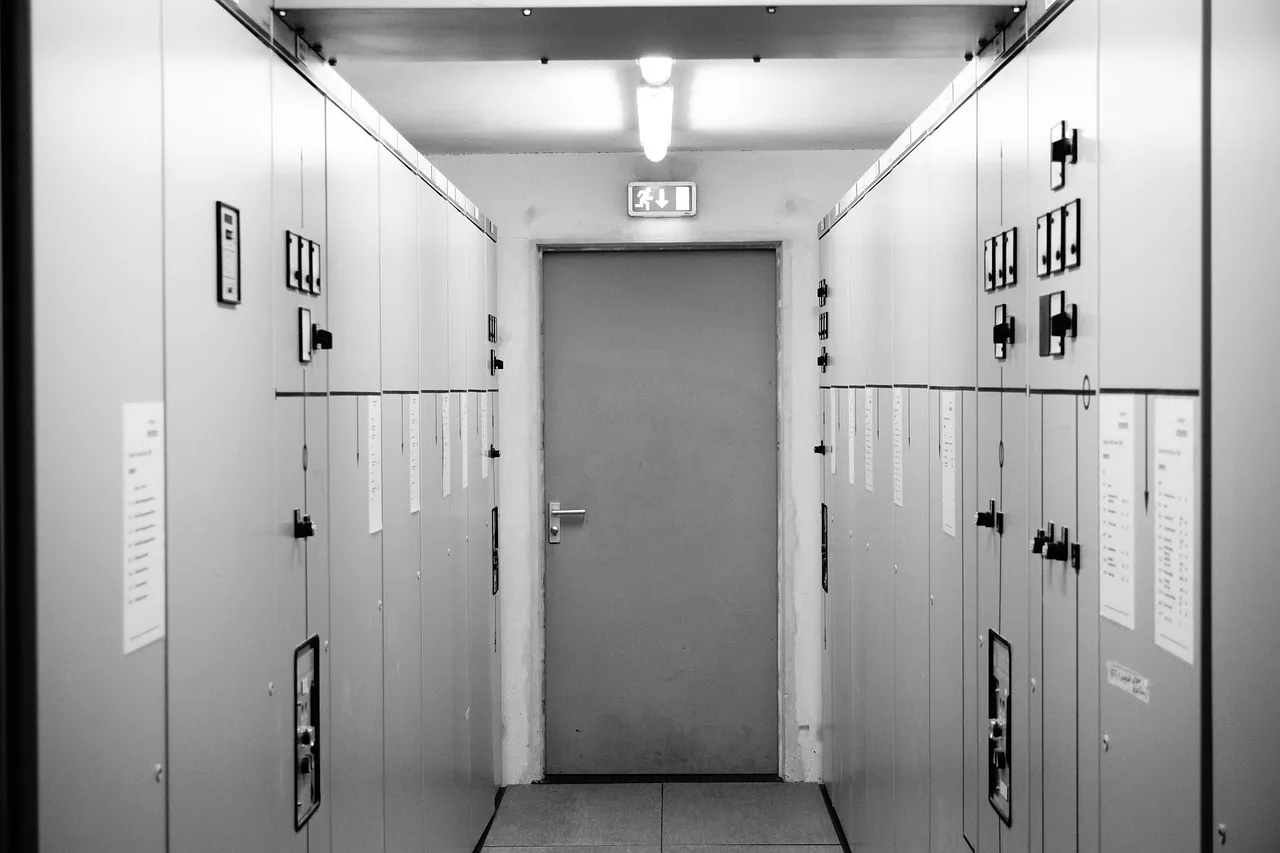
Data centers are warehouses of computers that run around the clock, and the machines need constant cooling. Streaming, cloud storage, online banking and AI chatbots all run inside them. AI draws far more power than older web services, so each new site adds a large, steady load to the grid.
The scale is growing fast. Ari Peskoe, director of Harvard's Electricity Law Initiative, told FactCheck.org, a project of the Annenberg Public Policy Center, that today's sites use 10 to 100 times more electricity than the previous generation of facilities.
The demand comes from ordinary business decisions. Companies such as Kroger, which is cutting 3,000 corporate jobs as it leans into AI, rely on cloud computing to run those tools. Outages like the Microsoft 365 outage we explained in November show how much daily life now runs through a handful of huge computing hubs.
Do Data Centers Raise Electricity Bills?
Sometimes. Nationally, these facilities have not been the main reason bills rose over the past few years. In some regions, though, they have pushed prices up. The effect depends on whether the local grid has spare capacity and on how the cost of new infrastructure is divided among customers.
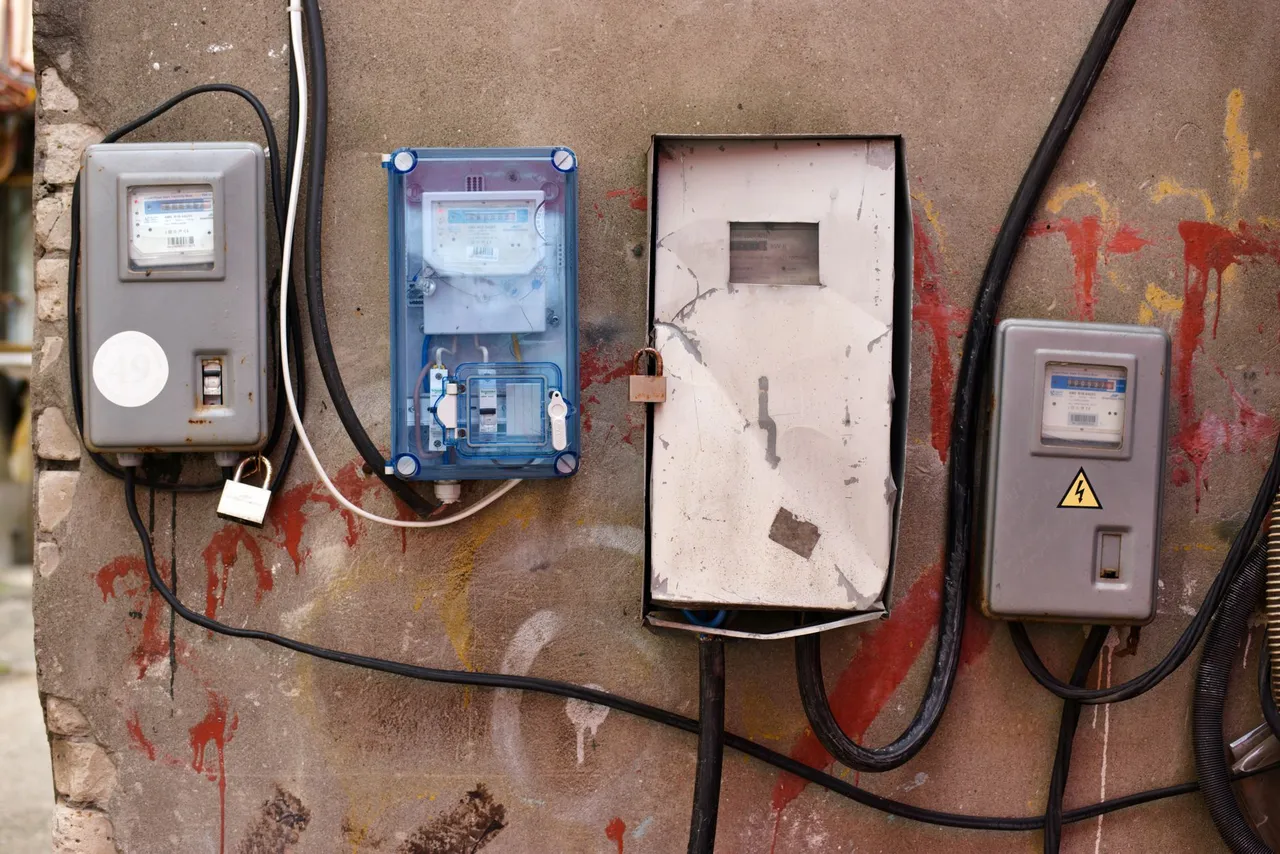
A July report from the Lawrence Berkeley National Laboratory (LBNL), a Department of Energy lab, and the Brattle Group found that national average retail electricity prices rose 29% from 2019 to 2025. Adjusted for inflation, that rise shrinks to 3%. Douglas Arent of Columbia University's Center on Global Energy Policy said the main drivers were fuel costs, especially natural gas, and the price of updating an aging grid.
Some states grew their power demand while cutting inflation-adjusted prices. North Dakota, New Mexico and Nebraska did so through 2024. When a grid has extra capacity, large new customers can help pay the fixed costs of the system, which can ease the load on everyone else.
Other research finds a small upward push. A Massachusetts Institute of Technology working paper estimated that a new facility's arrival raised retail rates by 2.7% between 2010 and 2024. For customers of investor-owned utilities, the average increase was 5.6%. An unpublished study from the Electric Power Research Institute, a nonprofit funded largely by utilities, estimated a 6% decline for a customer in an area with average growth.
The studies are not as contradictory as they sound. They measure different years, regions and utilities. Even a small increase matters to households on fixed incomes, whose 3.6% Social Security raise for 2027 has to cover every bill they pay.
Where Data Centers Have Pushed Prices Up
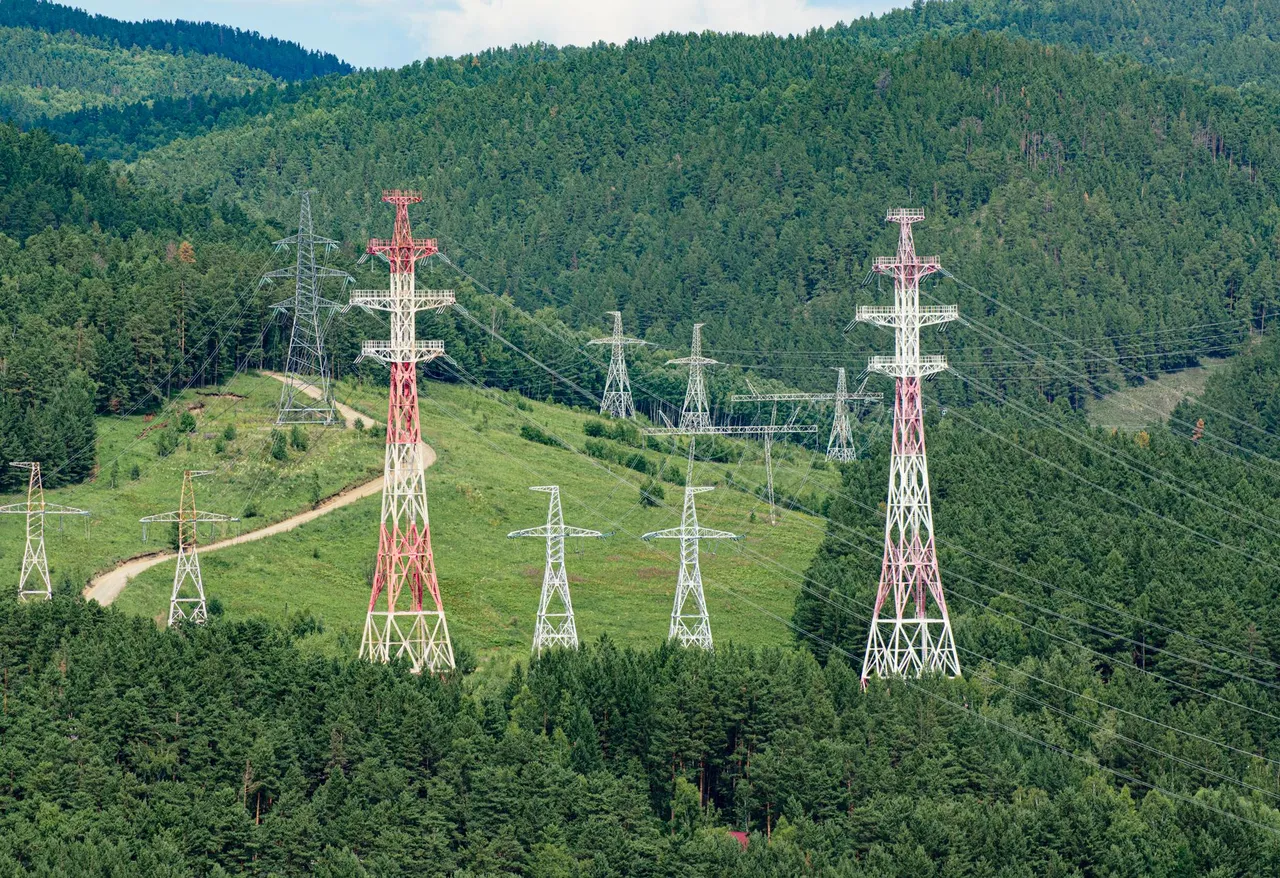
The clearest case is the PJM Interconnection, the nation's largest grid operator. It serves more than 65 million people across the Midwest and mid-Atlantic. The LBNL report and two separate consulting firms list PJM as the place where the buildings likely raised prices.
The mechanism is the capacity market, where grid operators pay power suppliers for the promise of electricity in future years. When demand forecasts jump, the price of that promise jumps too. Sanya Carley, an energy researcher at the University of Pennsylvania, told FactCheck.org that the new load added at least $10 a month to bills in western Maryland and Ohio starting in mid-2025.
Wholesale prices tell a similar story. Researchers at Cornell University found that the buildout raised wholesale prices by nearly 10% or more in the most affected hubs by 2025. Virginia saw a 15% jump. The southern San Francisco Bay area saw 20%. Wholesale prices are what utilities pay before power reaches homes.
The picture looks different elsewhere. In Texas, prices have risen only modestly, partly because the state is rapidly adding low-cost wind and solar power. New York and New England have limited construction and have seen no clear price effect.
How the Main Studies Compare
The research is easier to follow side by side. This table lists the four sources cited above, what each measured, and what each found.
| Source | What it measured | Main finding |
|---|---|---|
| LBNL and Brattle Group | National prices, 2019-2025 | Up 29%, or 3% after inflation; PJM an exception |
| MIT working paper | Utility-level rates, 2010-2024 | Up 2.7% on average; 5.6% at investor-owned utilities |
| Electric Power Research Institute | National rates, 2015-2024 | Down 6% in areas with average growth |
| Cornell University | Four major grid regions, to 2025 | Wholesale prices up nearly 10% or more in hardest-hit hubs |
Two lessons stand out. The answer changes with the level of detail, because state averages hide what happens inside a single utility's territory. It also changes with the price being measured, since wholesale costs move faster than the retail rates printed on your bill.
Who Pays for the New Power Lines and Plants?
New computing campuses need new transmission lines, substations and sometimes whole power plants. Someone has to pay for that equipment. In its Cornell Chronicle report on the new study, the university says current rules often split costs based on past electricity use.

That rule creates a chicken-and-egg problem. A site has not used any power before it is built, so it carries little of the cost. Households end up covering much of the expense of the new infrastructure.
The bill also crosses state lines. Residents of New Jersey, Pennsylvania and Ohio help pay for grid upgrades tied to the growth in Virginia. Living next door is not required to share in the power costs.
The burden is uneven. The share of rural families spending more than 6% of their income on energy rose 76% more than among urban residents. The authors also cite a national survey finding that rural residents use AI tools like ChatGPT less often than urban residents do.
What Could Change the Math for Households?
Researchers and states are testing several fixes. At The Spectrum Post, we read the studies as pointing in one direction: the rules matter more than the buildings. The proposals now on the table include these:
- Cutting power use during the 22 peak-demand hours each year, which Cornell found would ease grid strain in all four regions it studied.
- Charging large sites directly in line with the new demand they add.
- Directing funds to low-income households, as a recent Minnesota law does.
- Tying tax incentives to job creation and higher wages.

Six states have recently set special terms for very large energy users. In March, seven major technology companies signed the White House Ratepayer Protection Pledge, a commitment to pay for required grid updates. How well that commitment holds up is still an open question.
The Department of Energy takes a different view. A spokesperson told FactCheck.org that closures of coal and gas plants, not data centers, are responsible for rising prices. The agency points to agreements that led to rate freezes as evidence that more supply can bring costs down.
How Can You Tell Whether Your Area Is at Risk?
You cannot read the answer off your bill. Still, three questions give a rough sense of exposure. Each one points to public records that your state utility commission or grid operator publishes.
- Is your grid operator short on spare supply, or does it have room to grow?
- Are large computing campuses planned in your utility's territory or elsewhere on the same grid?
- Has your utility asked regulators for a rate increase tied to new lines or substations?
A yes to all three does not guarantee a higher bill. It does mean the cost-sharing rules deserve a closer look, because those rules decide whether new demand lowers your costs or raises them.
The Bottom Line on Data Centers and Your Electric Bill
The honest answer is "it depends." Across the country, fuel costs and an aging grid explain most of the recent increases. In a few tightly supplied regions, the buildings have added a real and measurable cost.
The research also has a time problem. Peskoe warned that studies of past sites say little about today's much larger ones. If you live in the PJM region or another fast-growing market, watch your utility's rate filings and your state utility commission's hearings. That is where the decision on who pays gets made.