How Much Has the EV Charging Network Actually Grown?
Public charging stations have expanded rapidly, but coverage still varies wildly by region. Here is a realistic look at where the network stands in 2026.
In this article 8 sections
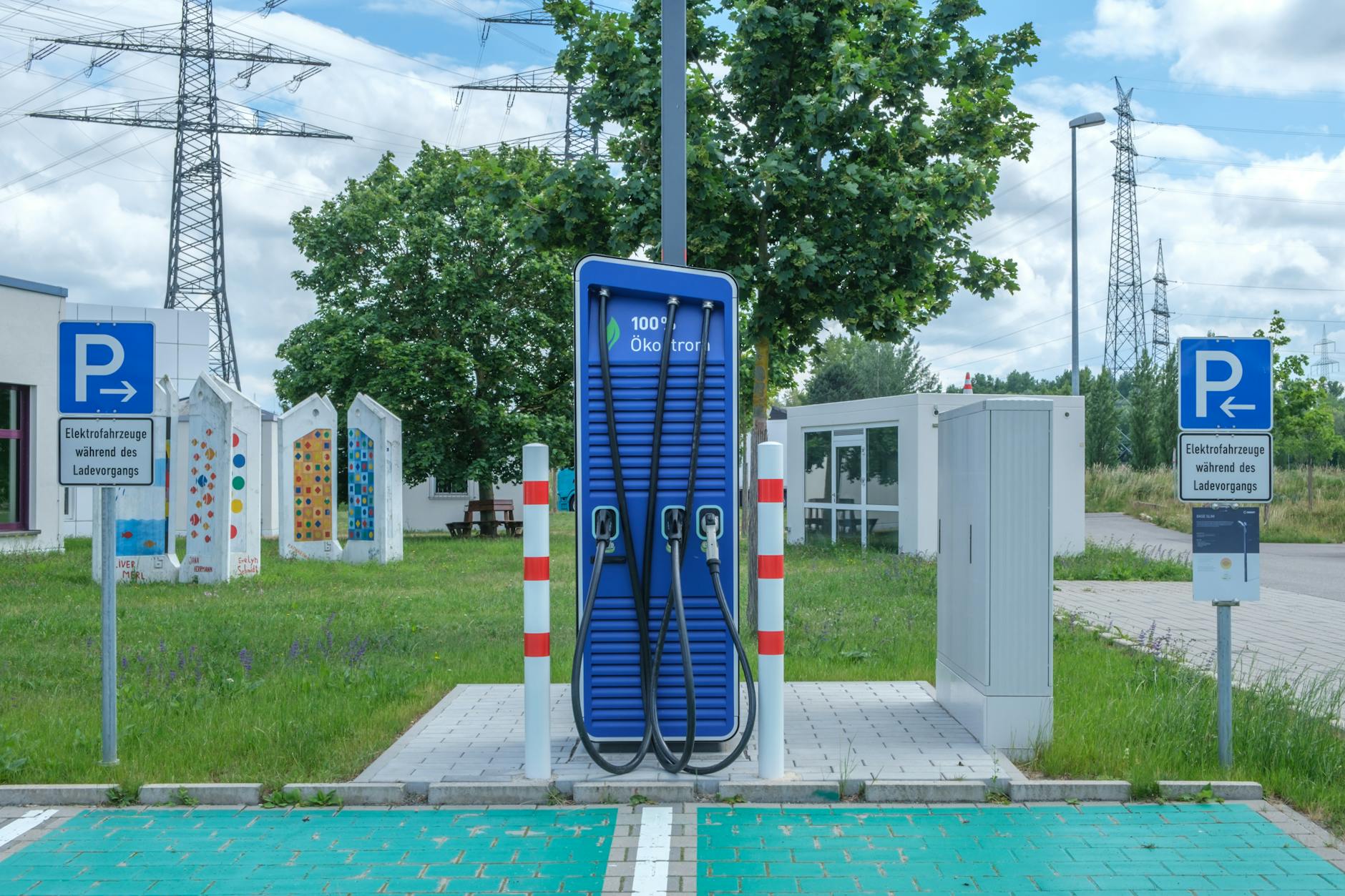
The public EV charging network has expanded rapidly over the past several years, growing well past 200,000 individual charging ports nationwide as of 2026. That headline number tells only part of the story, though, since coverage remains genuinely uneven across the country in ways that still shape whether an EV makes practical sense for a given driver.
This guide looks at how much the charging network has actually grown, where the remaining gaps are, and what's changed about compatibility between different charging networks. It's written for anyone cross-shopping an EV and trying to separate marketing claims about charging infrastructure from the on-the-ground reality they'll actually encounter on a real road trip.
How Big Is the Charging Network Now?
The U.S. public charging network has grown to well over 200,000 individual charging ports as of 2026, according to data the Department of Energy's Alternative Fuels Data Center tracks and updates regularly. That figure includes both slower Level 2 chargers, typically used for longer parking stays at destinations like shopping centers, and faster DC fast chargers designed for quicker top-ups during a longer trip.
We've reviewed several years of this data at The Spectrum Post, and DC fast charging specifically has grown at a faster rate than the network overall in recent years, reflecting an industry-wide push to make road-trip charging genuinely comparable to a gas station stop rather than a multi-hour wait.
Why Is Coverage So Uneven Across the Country?

Charging infrastructure investment has followed population density and existing EV adoption rates, meaning coastal states and dense urban corridors have built out far more coverage than rural, lower-density states where EV adoption has grown more slowly. This creates a real practical gap: a driver in a well-covered metro area rarely thinks twice about charging availability, while a driver in a sparsely covered rural state may need to plan routes carefully around a much thinner network of fast chargers.
| Region type | Charging coverage | Typical challenge |
|---|---|---|
| Dense urban/coastal | Extensive | Minimal |
| Suburban metro areas | Growing steadily | Peak-hour wait times |
| Rural interstate corridors | Improving, still thin | Longer gaps between fast chargers |
| Remote rural areas | Limited | Route planning required |
Has Charging Connector Compatibility Actually Improved?
Compatibility has improved significantly as most major automakers have adopted a shared charging connector standard promoted by the SAE International J3400 standard, reducing much of the fragmentation that historically required drivers to use different adapters depending on which charging network and vehicle brand they were pairing. That shift has meaningfully simplified the charging experience for new EV buyers, who previously had to research adapter compatibility as a genuine factor in vehicle and network choice.
Some fragmentation remains for older vehicles built before the shared standard became common, meaning a used EV buyer specifically should still confirm which connector standard their exact model supports and whether an adapter is needed for the charging networks most available in their area.
What's Driving Continued Investment in the Network?

Federal infrastructure funding, state-level incentive programs, and private investment from both automakers and dedicated charging companies have all contributed to the network's expansion, a build-out the U.S. Department of Transportation's rural EV toolkit specifically tracks for underserved corridors. Automakers with their own charging ambitions have found that reliable charging access directly affects vehicle sales, giving them a direct financial incentive to invest in or partner on charging infrastructure beyond what government funding alone would support.
Retail and hospitality businesses have also increasingly added charging stations as a way to draw in customers who need to charge during a shopping trip or meal stop, a pattern that echoes how home energy technology adoption has been shaped by a mix of policy incentives and straightforward business self-interest working in the same direction. It's also comparable to how consumer electronics policy has evolved through a similar combination of regulation and market pressure pushing manufacturers in the same direction.
What Should a Prospective EV Buyer Actually Check?

Checking charging coverage along routes a buyer actually drives regularly, not just national aggregate statistics, is the most useful way to evaluate whether an EV fits a specific household's needs. National totals can mask significant regional gaps that matter far more to an individual driver's day-to-day experience than the overall network size.
Home charging access matters just as much as public network coverage for most owners, since the bulk of EV charging for someone with a driveway or garage happens overnight at home rather than at a public station at all, making public charging primarily a consideration for longer trips rather than daily driving for most owners.
How Does Charging Speed Actually Affect the Road-Trip Experience?
Newer DC fast chargers can add a meaningful amount of range in 20 to 30 minutes for compatible vehicles, a stop roughly comparable to a longer gas station break rather than the hour-plus waits associated with older charging technology. Not every vehicle can take full advantage of the fastest chargers on the market, though, since a vehicle's own onboard charging hardware, not just the charger itself, ultimately caps how quickly it can actually accept a charge.
We've found this mismatch between charger capability and vehicle capability is a common point of confusion for new EV shoppers, who sometimes assume the fastest available public charger will always deliver its maximum rated speed regardless of which vehicle they're driving, when in practice the vehicle's own charging curve is often the real limiting factor.
How Reliable Are Public Chargers in Practice?
Charger reliability has been an ongoing concern independent of raw network size, with broken or out-of-service chargers a recurring frustration reported by EV drivers in surveys and owner forums. Charging network operators have invested in remote monitoring and maintenance programs specifically to address this, and reliability has generally trended upward as networks have matured past their earliest growth phase, though it still varies noticeably between operators and specific locations.
Apps that show real-time charger availability and recent user reports have become a standard part of trip planning for EV owners, functioning as an informal quality check that helps drivers avoid routing through a station with a recent history of reported outages. Several major charging networks have also started publishing their own uptime statistics publicly, a response to years of owner criticism that reliability data wasn't transparent enough for drivers to factor into route planning decisions.
Conclusion
The EV charging network has genuinely grown at a rapid pace, but "well over 200,000 ports nationwide" obscures real regional unevenness that still matters for anyone considering an EV, particularly in less densely covered parts of the country. Checking specific route coverage, rather than relying on national totals alone, remains the most practical way to evaluate whether the current network actually fits a given driver's needs. The Spectrum Post covers infrastructure and technology trends like this one as they continue to reshape everyday transportation choices, and will keep tracking coverage gains as they roll out across the country.