What Your Smart Home Devices Actually Know About You
Smart speakers, doorbell cameras, and connected thermostats collect more data than most owners realize. Here is a clear-eyed look at what that actually means.
In this article 7 sections
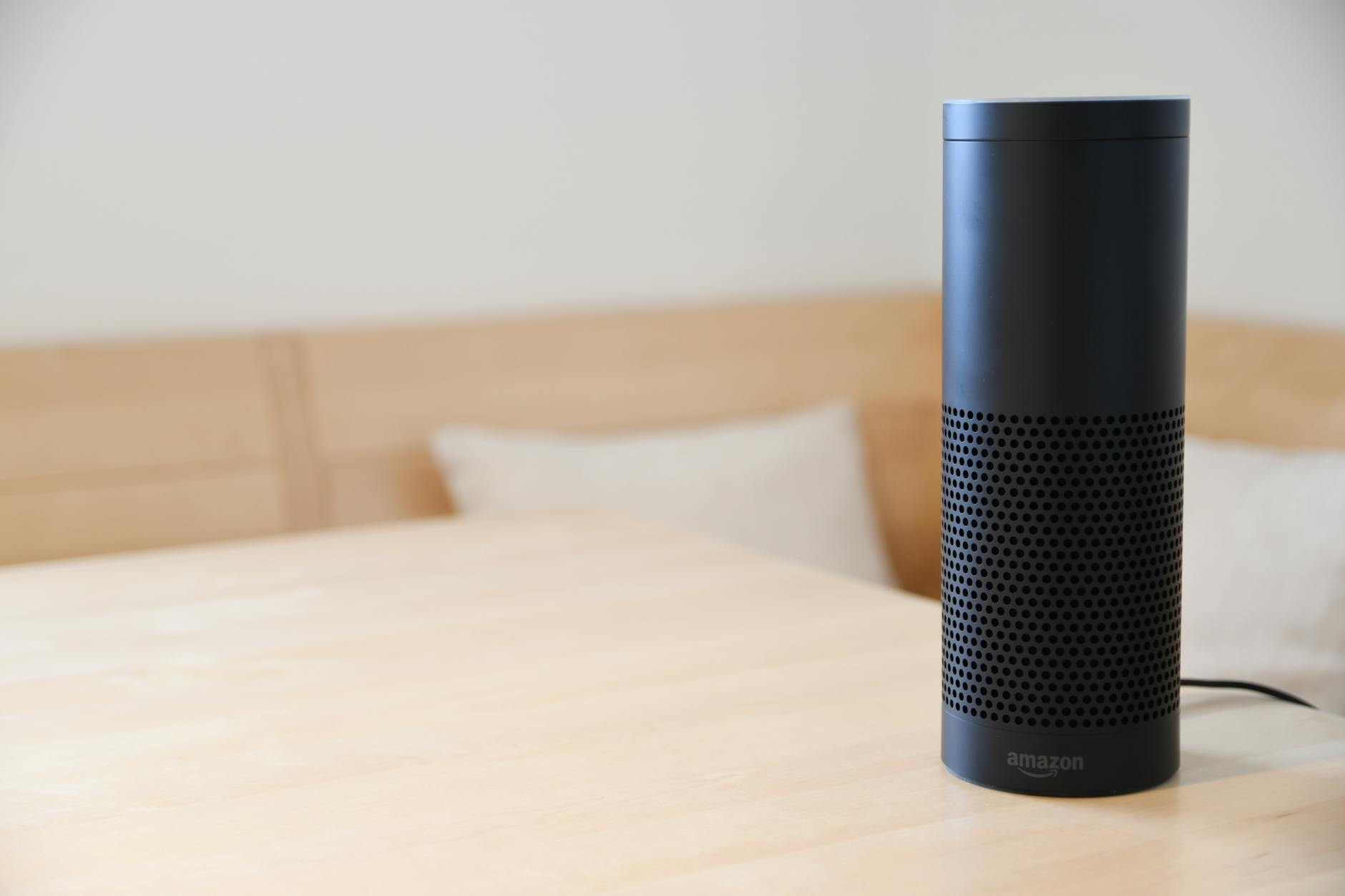
Smart home devices, from voice assistants to doorbell cameras to connected thermostats, have become common enough that many households now own several without giving much thought to what each one actually collects and shares. The convenience is real, but so is the data footprint these devices quietly build over time, often in ways manufacturers disclose only in lengthy privacy policies few owners actually read in full.
This guide gives a clear-eyed look at what smart home devices actually collect, how that data gets used, and what practical steps meaningfully improve privacy without giving up the convenience these devices offer. It's written for anyone who owns a smart speaker or camera and has wondered, at least once, exactly what it's doing in the background while sitting quietly on a kitchen counter or by the front door.
Are Smart Speakers Really Always Listening?
Smart speakers are designed to listen only for a specific wake word before recording and processing a request, using onboard processing to detect that wake word locally without sending continuous audio to the cloud. However, they have occasionally been triggered by similar-sounding phrases, capturing and sometimes transmitting audio the user never intended to send. The Federal Trade Commission's smart home device guidance has addressed this exact concern, noting that several manufacturers have faced scrutiny for using recorded snippets for quality review or product improvement without sufficiently clear disclosure to users about that secondary use.
We've reviewed several manufacturers' privacy disclosures directly at The Spectrum Post, and the practice of using recordings for quality review has generally become more transparently disclosed following past criticism, though the specific opt-out process and default settings still vary meaningfully between different device brands.
What Do Doorbell Cameras Actually Collect?
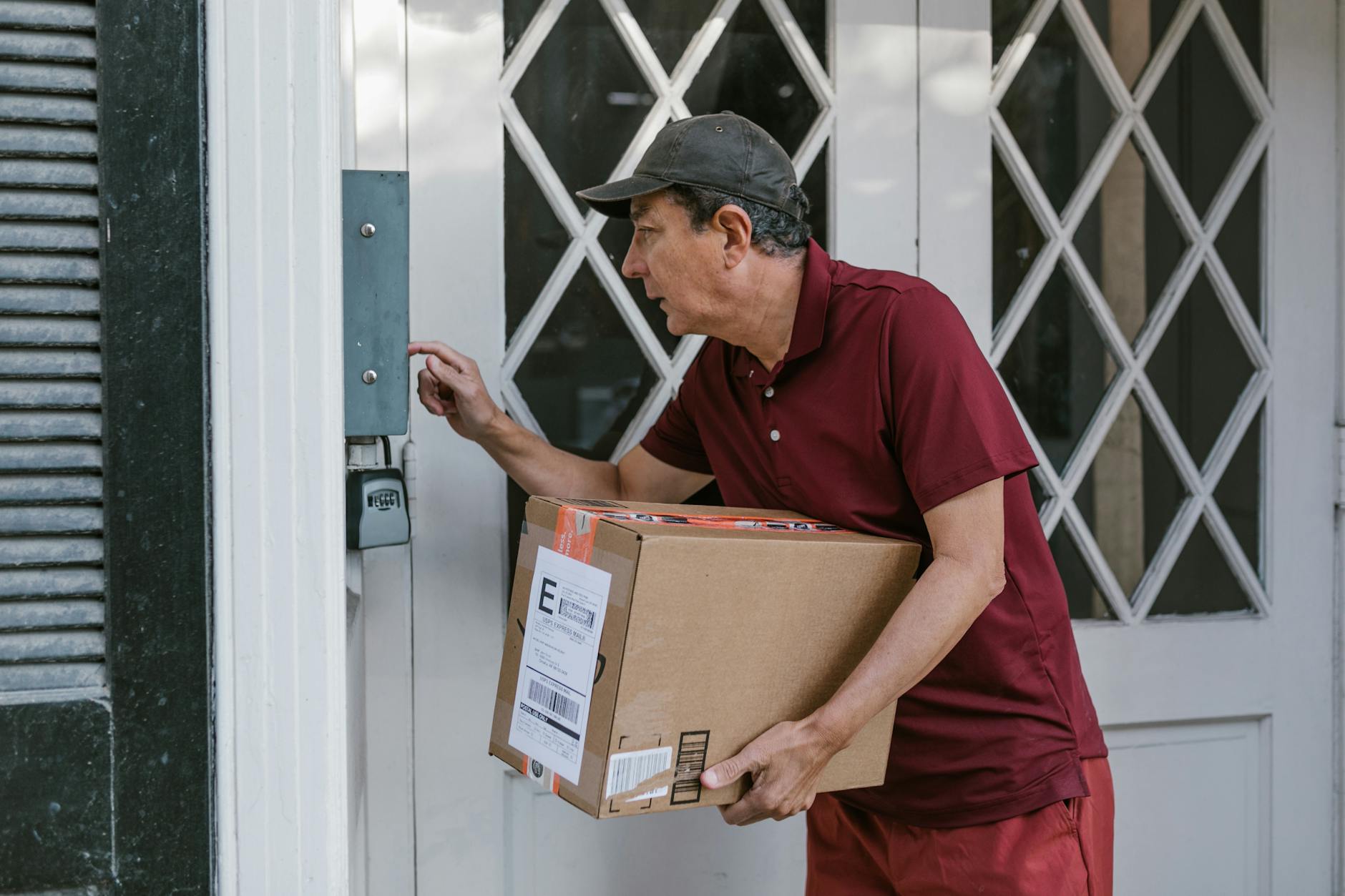
Doorbell cameras record continuous or motion-triggered video of activity near a home's entrance, and some models also capture audio, creating a detailed record of visitors, deliveries, and passersby that extends beyond just the homeowner's own activity into anyone who happens to walk past the device's field of view. Some doorbell camera companies have partnered with law enforcement agencies, a practice the Electronic Frontier Foundation has documented and criticized directly, allowing police to request footage directly from users or, in certain past cases, request it more directly from the company itself, a practice that has drawn significant privacy criticism and led some companies to scale back or restructure these partnerships in response.
| Device type | Primary data collected | Key privacy consideration |
|---|---|---|
| Smart speaker | Voice commands, wake-word audio | False triggers, recording review practices |
| Doorbell camera | Video/audio of surroundings | Law enforcement data requests |
| Smart thermostat | Occupancy and usage patterns | Detailed household routine profiling |
| Smart lock | Entry/exit timestamps | Access pattern tracking |
How Do Connected Thermostats and Other Devices Build Usage Profiles?
Connected thermostats track occupancy patterns, temperature preferences, and daily schedule habits to optimize energy use, but that same data creates a detailed profile of when a household is typically home, asleep, or away, information with genuine privacy implications beyond the energy-saving purpose the device was originally purchased for. Smart locks similarly generate detailed entry and exit timestamp logs, building a record of household routines that extends well beyond the device's basic security function.
This pattern connects to broader questions about how much data everyday internet-connected activity generates, where the convenience benefit of a specific device or service often comes bundled with a data collection footprint most users don't fully register until they stop to consider it directly. It's a similar tradeoff to the one covered in other convenience-versus-privacy technology decisions, where a genuinely useful feature carries data implications worth understanding rather than dismissing outright.
How Do Manufacturers' Privacy Practices Actually Differ?

Privacy policies and data practices vary considerably between manufacturers and even between different device categories from the same company, making a blanket assumption about "smart home privacy" less useful than evaluating each specific device and brand individually. Some manufacturers have adopted more privacy-forward defaults, like processing voice commands locally on the device rather than sending audio to the cloud, while others rely more heavily on cloud processing that requires transmitting more raw data off the device to remote servers.
Reading a specific device's privacy policy before purchase, rather than after, remains genuinely useful advice, even though privacy policies are famously long and hard to parse, since checking at minimum whether a company allows opting out of non-essential data sharing can meaningfully shape which specific product ends up being the better privacy choice for a given household.
What Practical Steps Actually Improve Privacy?
Reviewing each device's privacy settings individually, disabling data sharing options that aren't essential to the device's core function, using strong unique passwords, and keeping device firmware updated are the most practical steps most households can take without giving up smart home functionality entirely. Segmenting smart home devices onto a separate Wi-Fi network from primary computers and phones, a feature many modern routers support, also limits potential exposure if a specific smart device is ever compromised, keeping it isolated from more sensitive devices and data on the same network, a practice the Cybersecurity and Infrastructure Security Agency specifically recommends for households with multiple connected devices.
For doorbell cameras specifically, reviewing and adjusting law enforcement data-sharing settings directly, rather than assuming a default configuration reflects a homeowner's actual preference, is worth doing explicitly given how much these specific settings have drawn public scrutiny and change over time as companies adjust their policies in response to that scrutiny.
What Happens to This Data If a Company Is Acquired or Shuts Down?
Smart home data doesn't necessarily stay with the original company forever; acquisitions, mergers, and business closures can all affect who ultimately controls a household's accumulated device data, sometimes under significantly different privacy terms than the original purchase agreement promised. Reviewing a company's stated policy on data transfer in the event of an acquisition, buried in most privacy policies but rarely emphasized in marketing material, is worth doing for anyone particularly concerned about long-term data control over a smart home device purchased today.
We've seen this play out with several smart home brands over the past decade, where a change in corporate ownership came with a shift in data practices that existing customers hadn't necessarily anticipated when they originally purchased the device under a different company's stated privacy commitments, sometimes years before the ownership change took place.
Conclusion
Smart home devices offer genuine convenience, but that convenience comes bundled with real data collection that most owners underestimate until they look closely at a specific device's actual privacy practices. Reviewing individual device settings, understanding each manufacturer's specific data practices, and making deliberate choices about network segmentation and law enforcement data sharing remain the most practical ways to keep the convenience without an unexamined privacy tradeoff. The Spectrum Post covers everyday tech and privacy questions like this one to help readers make informed choices about the devices already sitting in their homes today.