Holiday Retail Sales Forecast 2026: What a $1 Trillion Season Means for Shoppers and Workers
The NRF expects $1.013 trillion in holiday sales this year, but about half of the growth is higher prices and seasonal hiring is staying flat.
In this article 7 sections
The National Retail Federation (NRF) forecasts that U.S. holiday retail sales will grow 4.2% in 2026 to $1.013 trillion. About half of that growth comes from higher prices rather than extra buying. Retailers plan to hire only 325,000 to 375,000 seasonal workers, so expect steady prices and lean store staffing this December.
The 2026 holiday retail sales forecast crosses a symbolic line this year: more than $1 trillion in spending between November 1 and December 31. The headline sounds like a boom. The details point to a more careful season, where shoppers hunt for value and retailers keep payrolls tight.
This guide is for anyone who shops, works in retail, or follows the economy through what people buy. The Spectrum Post covers the tech, money, business and culture stories behind daily life, and this one touches all four. Below, we break down what the forecast says, how much of it is inflation, and what to watch next.
What Does the 2026 Holiday Retail Sales Forecast Actually Say?
The NRF expects holiday sales to rise 4.2% over 2025, reaching $1.013 trillion across November and December. Last year's total was $972 billion. The forecast covers core retail only. It leaves out car dealers, gas stations and restaurants, so it measures what people spend on goods rather than on driving or dining out.
That is a gain of roughly $41 billion in a single season. The math checks out: $972 billion multiplied by 1.042 comes to about $1.013 trillion. The trade group built the number from economic modeling that uses consumer spending, disposable personal income, employment, wages, inflation and earlier monthly retail sales.
Retail is also a very large employer, which is why this number draws so much attention. In its October 15 holiday forecast announcement, the NRF said the industry contributes $5.3 trillion to annual GDP and supports more than one in four U.S. jobs.
How Much of the 4.2% Growth Is Real Spending and How Much Is Inflation?
Roughly half. NRF Chief Economist Mark Mathews said nearly half of the nominal growth should come from real spending growth, as Retail Dive reported. The rest reflects higher prices. In plain terms, shoppers will spend more dollars but will not necessarily carry home that much more stuff.
The terms matter here. Nominal growth is the raw change in dollars spent. Real growth strips out price increases and measures how much more stuff people actually bought. A season can look strong in nominal terms and flat in real terms if prices do most of the lifting.
Here is a simple example. Say a household spent $500 on gifts last year. If prices drove about half of the 4.2% increase, the same basket costs roughly $510 this year. Buying 2% more goods on top of that would bring the bill to about $520. That is an illustration, not an NRF figure, but it shows why a record dollar total can feel less generous at the register.
Price pressure is also uneven. Mathews pointed to higher diesel prices and increased memory prices as a squeeze on electronics, a popular gift category. He also said he expects goods prices to run below headline inflation because retailers are courting a price-conscious buyer. For more on how inflation data is being read right now, see our explainer on why the October CPI report has no 12-month inflation rate.
A caution is in order here. Forecasts miss. In 2025 the NRF predicted growth of 3.7% to 4.2%, and the season delivered 3.1%. A weaker result this year would not mean shoppers pulled back sharply. It could simply mean they traded down to cheaper items.
Why Is Seasonal Hiring Staying So Flat?
Retailers are operating in what Mathews called a low hire, low fire environment. The NRF expects 325,000 to 375,000 seasonal hires, in line with last year's estimated 356,000. Higher gas prices, persistent inflation, higher interest rates and elevated consumer debt all make employers cautious about adding hours.
The current range sits well below the 442,000 seasonal retail workers hired in 2024, according to Retail Dive's coverage of the forecast. So the holiday rush is no longer a reliable source of extra jobs. Stores are asking existing staff to cover more, and shoppers may notice thinner coverage on the floor.
The trend reaches beyond store aisles. Kroger's decision to cut 3,000 corporate jobs as it leans into AI shows how large retail employers are reshaping their staffing even outside the holiday window.
Pay also varies by location. Our look at where minimum wage is rising in 2026 shows an uneven map, so the same seasonal shift can pay noticeably different amounts depending on the state. For job seekers, the practical read is simple. Apply early, ask about guaranteed hours, and treat a seasonal offer as a way in rather than a promise of a permanent job.
How Do Diesel and Memory Prices Reach the Checkout?
Diesel fuels the trucks that move goods from ports and warehouses to store shelves, so a jump in fuel costs raises delivery bills. Memory prices raise what it costs to build phones, laptops and consoles. Retailers can absorb some of that, but not all of it, so part lands in the shelf price.
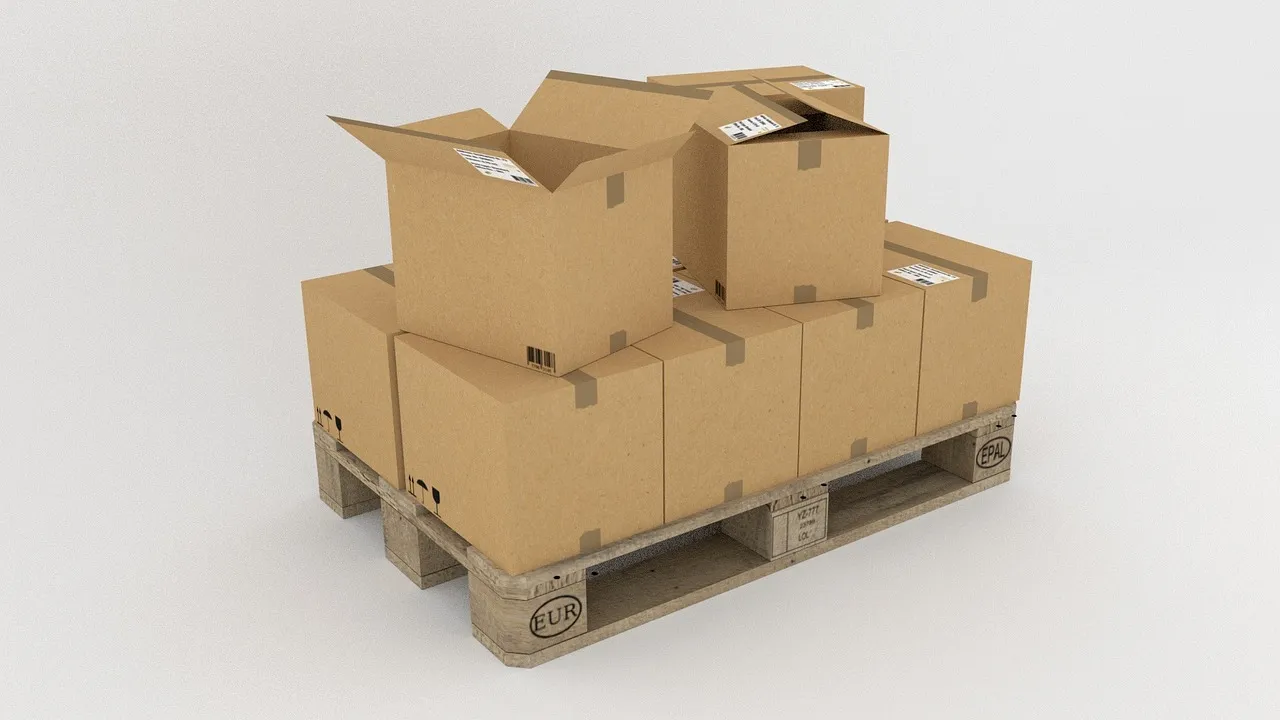
Timing matters too. Retailers place most holiday orders months in advance, so cost changes reach shelves unevenly. Some items get early discounts to clear stock, while others hold firm because replacing them would cost more. That is one reason two gifts of similar quality can move in opposite directions on price.
The squeeze is not shared equally. Mathews said that if gas prices stay higher, the impact should be larger on households at the lower end of the income spectrum. Those families spend a bigger share of their budget on fuel and essentials, so there is less room left for gifts. Questions about where goods are made add another layer, and we covered whether manufacturing is really coming back to the U.S. in a separate piece.
How Does the 2026 Forecast Compare With the Last Two Seasons?
It is more optimistic on sales and roughly flat on hiring. The 2026 forecast of 4.2% growth sits above the 3.1% retailers actually delivered in 2025. The seasonal hiring range is close to last year's estimate and far below 2024. The table below lays out the key numbers from the NRF and Retail Dive.
| Season | Sales growth | Total sales | Seasonal hires |
|---|---|---|---|
| 2024 (actual) | Not covered here | Not covered here | 442,000 |
| 2025 (NRF forecast) | 3.7% to 4.2% | Not covered here | 265,000 to 365,000 |
| 2025 (actual) | 3.1% | $972 billion | 356,000 (estimated) |
| 2026 (NRF forecast) | 4.2% | $1.013 trillion | 325,000 to 375,000 |
Two details stand out. First, the 2026 growth target matches the top of last year's missed forecast range. Retailers must beat last year's pace by more than a full percentage point to reach it. That is not unreasonable, but it leaves little room for a soft December.
Second, the hiring plan has barely changed in two years. Retailers appear to have settled into a smaller seasonal workforce than they used in 2024. Shoppers who remember fully staffed holiday floors may find this year's version feels different, even if sales hold up.
How Can Shoppers Plan Around a Price-Conscious Season?
Start with a firm total, then divide it by recipient. Retailers expect a price-conscious buyer, so deals should be competitive and comparison shopping pays off. Buy price-sensitive items such as electronics first, and leave flexible gifts for later. That order limits both panic spending and late price jumps.
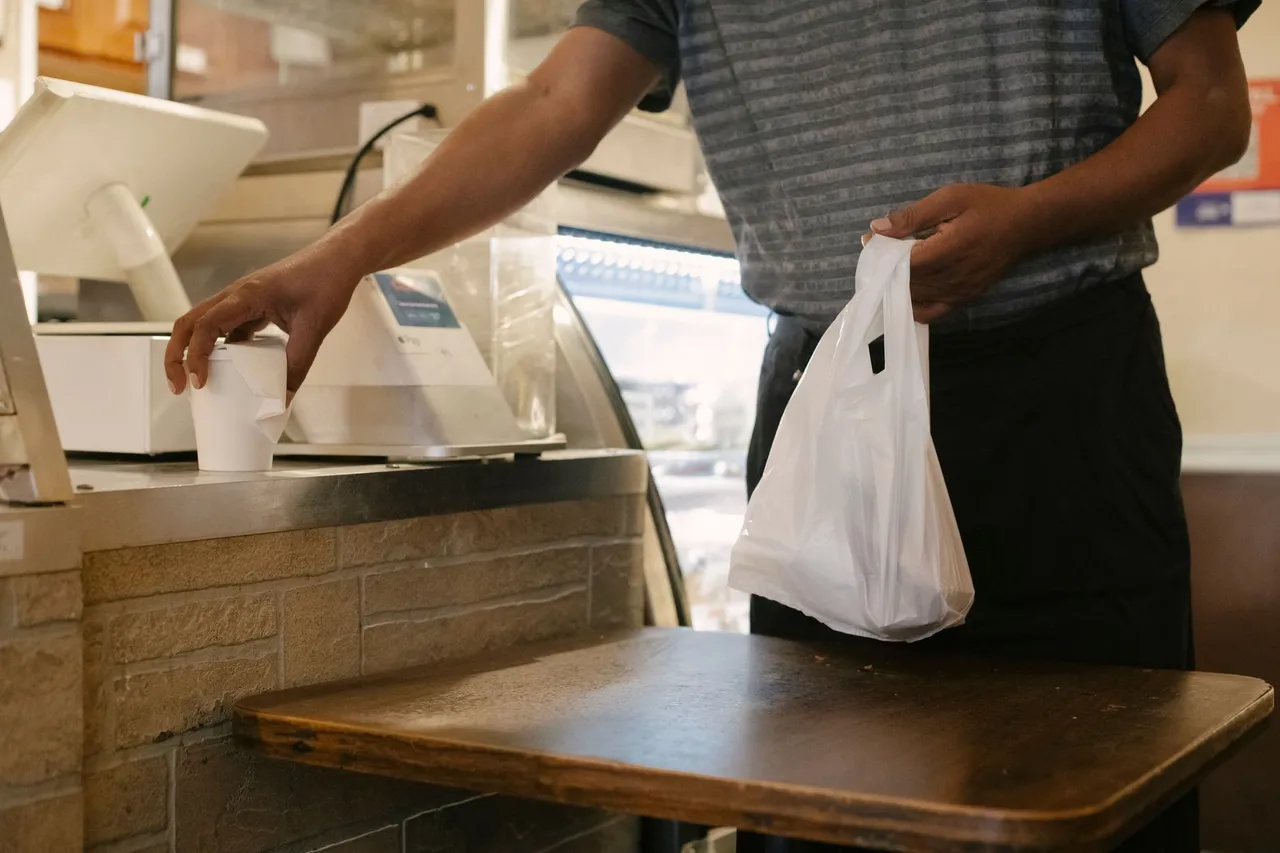
At The Spectrum Post, our editors read a forecast like this against last year's actual results instead of treating it as a promise. We suggest the same approach for a household budget. Here are four steps that fit this season:
- Set one total for gifts, travel and food before you open any store app.
- List the items most exposed to price swings, starting with electronics.
- Check prices at two or three retailers before you buy anything over $100.
- Hold back a small reserve for last-minute costs so you do not reach for a credit card.
It also helps to read the forecast the way you would read a weather report for a whole region. It describes the overall climate, not your own street. A national total of $1.013 trillion says little about whether your favorite store has the item you want in stock, or whether it will be discounted next week.
The NRF also says consumers will remain mindful of their budgets while still prioritizing the holidays. That fits a pattern most households already know: people protect the occasions that matter and cut elsewhere.
What Should You Watch Before December 31?
Three signals will tell you whether this forecast holds. The first is gas and diesel prices, since the NRF flagged both as risks. The second is monthly retail sales data, which will show whether spending is running ahead of or behind the 4.2% pace. The third is hiring, because a thin seasonal workforce can slow service during peak weeks.
The practical answer is straightforward. The holiday retail sales forecast for 2026 points to a trillion-dollar season, but a good share of that total is price, not volume. Plan your budget around what things cost, not around the size of the headline. Shoppers who set a total early and compare prices will likely come out ahead.
The next step is simple. Write down your gift total tonight, mark the three items most likely to rise in price, and buy those first. We will keep tracking how the season plays out once the final numbers arrive.