Is Manufacturing Actually Coming Back to the U.S.?
Reshoring has been a policy talking point for years. Here is what the actual data shows about manufacturing jobs and supply chains moving back stateside.

In this article 8 sections
"Bringing manufacturing back to America" has been a recurring, persistent policy talking point across multiple administrations, and in specific sectors, it's genuinely happening, backed by real, substantial investment and measurable job creation. But the broader overall picture is more nuanced than either the most optimistic or most skeptical headlines usually suggest, and understanding the real actual data matters more than the political framing surrounding it.
This guide looks at what reshoring actually looks like in the data, which industries have seen the most genuine activity, and what's realistically driving the shift. It's written for anyone trying to separate genuine manufacturing trends from political talking points on either side of the debate, whether the framing leans toward celebration or dismissal.
What Does the Actual Employment Data Show?
Manufacturing employment has grown modestly in specific sectors, particularly semiconductors and certain advanced manufacturing categories, following significant policy incentives passed in recent years, though overall manufacturing employment remains well below its historical peak. The Bureau of Labor Statistics' manufacturing industry data shows this pattern clearly: genuine growth in targeted, strategically important sectors, but a longer-term overall employment trend that hasn't reversed decades of broader manufacturing decline driven by automation and international competition.
We've reviewed this data closely at The Spectrum Post, and the honest picture is neither "manufacturing is fully back" nor "reshoring is entirely hype" — it's a genuine, but narrowly concentrated, shift in specific strategic industries rather than a broad reversal across the manufacturing sector as a whole.
Which Industries Have Seen the Most Reshoring Activity?

Semiconductors, electric vehicle batteries, and certain pharmaceutical and medical supply categories have seen some of the most visible reshoring activity, often tied directly to specific government incentive programs targeting those strategic industries. Semiconductor manufacturing specifically has drawn substantial new investment, reflecting both policy incentives and genuine strategic concern about supply chain concentration in a small number of overseas facilities for a component critical to a huge range of modern products.
| Industry | Reshoring activity level | Primary driver |
|---|---|---|
| Semiconductors | High | Policy incentives, strategic concern |
| EV batteries | High | Policy incentives, supply chain risk |
| Pharmaceuticals/medical supplies | Moderate | Pandemic-driven supply chain lessons |
| General consumer goods | Low | Cost remains the dominant factor |
What's Actually Driving Companies to Reshore?
Supply chain disruptions during the pandemic exposed real vulnerabilities in relying heavily on overseas production concentrated in a small number of countries, a lesson the federal government's supply chain resilience review documented extensively, prompting many companies to reassess supply chain resilience as a genuine business priority rather than a purely theoretical risk. Rising overseas labor and shipping costs have also narrowed the cost advantage that originally drove much manufacturing offshore in the first place, making domestic production comparatively more competitive than it was decades ago when the wage and shipping cost gap was considerably wider.
Geopolitical tensions affecting certain trade relationships have added another layer of strategic consideration beyond pure cost calculation, particularly for industries the government has specifically flagged as critical to national security, where policy incentives have pushed reshoring decisions that might not have made purely economic sense based on cost alone.
How Big a Role Have Government Incentives Played?
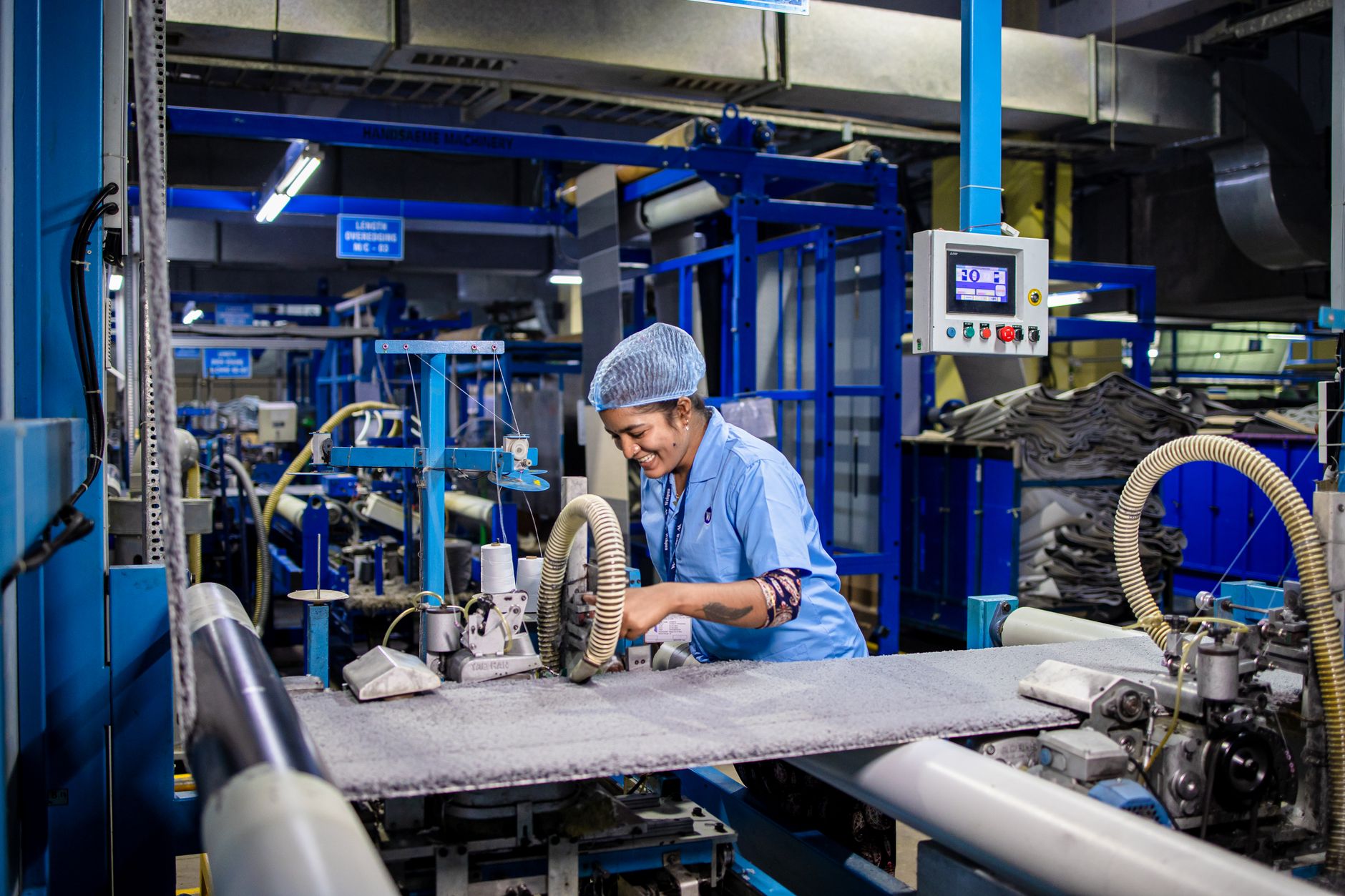
Government incentive programs have played a significant, arguably decisive role in the sectors that have seen the most reshoring activity, offering substantial subsidies and tax incentives specifically targeted at semiconductor and battery manufacturing, incentives detailed in the Department of Commerce's CHIPS program overview. Without these targeted incentives, the underlying cost calculation for many companies would likely have continued favoring overseas production, since labor and operating costs in several overseas manufacturing hubs remain meaningfully lower than comparable U.S. facilities even after accounting for rising costs abroad.
This dynamic mirrors how policy incentives have shaped adoption in other capital-intensive industries, where the underlying economics alone often aren't sufficient to drive large-scale behavior change without meaningful government support tipping the calculation.
What Does This Mean for Manufacturing Jobs Going Forward?

New manufacturing facilities in reshored industries tend to be significantly more automated than the manufacturing plants of decades past, meaning job creation, while real, doesn't necessarily translate to the same volume of employment per dollar of investment that earlier eras of American manufacturing generated. A new semiconductor fabrication facility, for example, represents billions of dollars in investment but employs a comparatively modest workforce relative to that capital outlay, reflecting how automated the modern manufacturing process has become compared to decades ago.
This pattern connects to broader questions about how automation is reshaping employment across multiple sectors simultaneously, not just manufacturing specifically, making reshoring's job creation story more complicated than simple headline investment figures alone might suggest to a casual reader.
How Do Trade Policy Changes Factor In?
Tariffs and other trade policy tools have been used by multiple administrations specifically to make imported goods less cost-competitive relative to domestic production, an explicit attempt to shift the underlying economics that have favored offshore manufacturing for decades. The effectiveness of this approach has been genuinely debated among economists, with some research suggesting tariffs have prompted some reshoring while also raising costs for U.S. companies that depend on imported components as inputs to their own domestic manufacturing processes.
This tension, between protecting domestic production and raising costs for companies that rely on imported parts, has made trade policy one of the more contested and complicated levers in the broader reshoring conversation, since a tariff designed to help one domestic industry can simultaneously raise costs for a different domestic industry that depends on the now more expensive imported input, illustrating how interconnected modern manufacturing supply chains actually are.
How Are Individual States Competing for Reshored Manufacturing?
Beyond federal incentive programs, individual states have competed aggressively to attract new manufacturing facilities through their own tax incentives, infrastructure investment, and workforce training programs, sometimes offering packages worth hundreds of millions of dollars to land a single major facility. This state-level competition has become a significant factor in where reshored manufacturing investment actually lands within the U.S., even after a company has already decided to build domestically rather than overseas.
We've tracked several of these state competitions at The Spectrum Post, and the pattern generally favors states that can offer a combination of financial incentives, available industrial land, and a workforce with relevant technical skills, meaning the reshoring trend has been geographically concentrated in specific states and regions rather than distributed evenly across the country, a pattern that mirrors how economic development has historically clustered around existing industry hubs.
Conclusion
Manufacturing reshoring is genuinely happening in specific, strategically important sectors like semiconductors and EV batteries, heavily supported by targeted government incentives, but it hasn't reversed the broader, decades-long decline in overall manufacturing employment. Understanding this more nuanced, sector-specific reality matters more than either the most optimistic or most dismissive framing of the reshoring conversation. The Spectrum Post covers economic trends like this one to help readers separate genuine data from political talking points, and will keep tracking how the reshoring picture evolves.