Holiday Seasonal Hiring in 2026: Retailers Are Hiring Fewer Workers While Amazon Plans 300,000
Forecasters expect another drop in seasonal retail jobs, yet Amazon just announced its biggest holiday hiring push in three years. Here is how to read the split.

In this article 7 sections
Retailers are expected to add about 450,000 seasonal workers in the fourth quarter of 2026, down 2.5% from last year, according to Challenger, Gray & Christmas. Amazon is the big exception. It announced on October 20 that it plans to hire more than 300,000 people. Job seekers should apply early and expect fewer openings at traditional stores.
The holiday hiring story looks like a contradiction. One forecast says stores are being cautious, and one company says it needs more hands than it did last year. The Spectrum Post follows where culture and business meet, and this explainer is for anyone hoping to pick up holiday work, plus anyone curious about what the hiring numbers say about the economy.
What Do the 2026 Hiring Forecasts Say?

The forecast says holiday hiring is shrinking again. According to HR Dive's report on the Challenger data, retailers are expected to add about 450,000 seasonal jobs in the fourth quarter, down 2.5% from a year earlier. That would be the third straight annual decline.
The comparison is stark. Retailers added 461,500 seasonal jobs in the fourth quarter of 2025, which was 15% below the 543,100 added in 2024. Challenger calls that the smallest seasonal gain since 2008. In 2020 and 2021, hiring topped 900,000.
Andy Challenger, the firm's chief revenue officer, said the current approach is more about restocking staffing plans "surgically" than a return to those big years. He also said almost every hiring announcement of the past three years has been smaller and more surgical than the one before.
The reasons are practical. High prices and tariff concerns make retailers cautious, and consumers may shop more carefully. Retail employment is not shrinking overall. Preliminary August figures from the Bureau of Labor Statistics show 15.47 million retail workers, about 63,000 more than a year earlier.
Why Are Stores Hiring Fewer Seasonal Workers?
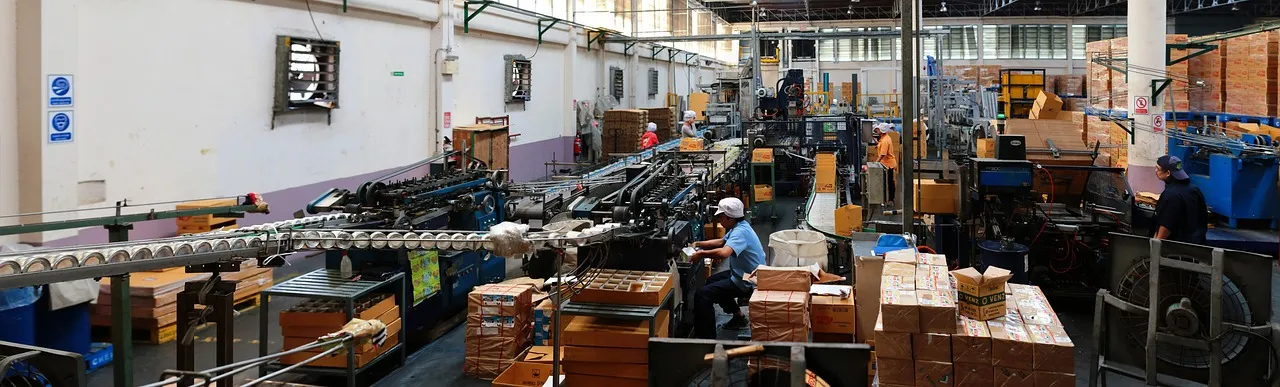
Stores are hiring fewer seasonal workers because they have changed how they staff the holidays. Challenger says retailers are relying on automation, existing associates and on-demand pools rather than large waves of temporary hires. An on-demand pool is a roster of workers who can be called in for shifts when needed.
That shift started in 2024 and has kept going. Instead of bringing in thousands of temps in October, a store may add a few hours for current staff and call on flexible workers when a rush hits. It is cheaper and easier to adjust, but it means fewer guaranteed jobs for people looking for them.
Prices play a role. Our look at record Black Friday forecasts shows that sales may stay strong even as shoppers watch their budgets. Strong sales without matching hiring is a sign that stores are squeezing more out of each worker.
The same pattern shows up in corporate offices. Our report on Kroger's 3,000 corporate job cuts and our explainer on the corporate layoffs trend describe companies trying to do more with smaller teams.
Why Is Amazon Hiring So Many People?

Amazon is hiring because its network of warehouses and delivery stations needs more hands during the holiday rush. The company announced on October 20 that it will hire more than 300,000 people for seasonal, part-time and full-time roles across its U.S. operations network. Amazon had targeted 250,000 hires in each of the past three years, so this is the first increase in that time.
The company says seasonal employees average $20 an hour, and full-time operations employees start at a minimum of $20 an hour. Average total compensation, including benefits, exceeds $32 an hour, based on one report of the release. Openings will be posted weekly from October through December.
A benefit change stands out. Starting January 1, 2027, seasonal employees who work at least 30 hours a week will get healthcare from their first day, with plans starting at $5 a week. J. Ofori Agboka, Amazon's vice president of people experience and technology for global operations, said it is rare in the industry to offer healthcare starting on the first day.
Some details are missing. Amazon has not said how many of the 300,000 roles are seasonal, how many last past December or how many workers will meet the 30-hour mark. PPC Land's summary of the announcement flags the same gaps, so job seekers should ask before they count on a benefit.
Scale explains part of the difference. A company with huge fulfillment networks sees peak demand as a physical problem: boxes have to be picked, packed and moved in days. A store can stretch its staff with extra hours, but a warehouse cannot ship more boxes than its workers can handle.
What Are Other Retailers Doing?
Most big retailers are quieter than usual. As of early October, HR Dive reported that only a handful of companies had published their 2026 headcounts. Spirit Halloween said in June that it plans to hire more than 52,000 seasonal associates across more than 1,500 stores, which it called its largest hiring event ever. Michaels plans more than 10,000, and almost half of its seasonal in-store positions last year converted into regular roles.
Others have not named a number. Target has kept seasonal hiring to about 100,000 roles across more than 2,000 stores in recent years and is hiring now, without a stated target. Kohl's hired around 90,000 for most of the past decade, and Bath & Body Works added about 30,000 roles in each of the last three seasons. Neither had announced 2026 plans in the report.
The uneven picture is the point. A shopper who sees Help Wanted signs at one store should not assume the whole sector is hiring, and a worker who gets turned down once should not assume the market is closed.
How Should You Look for Holiday Work?
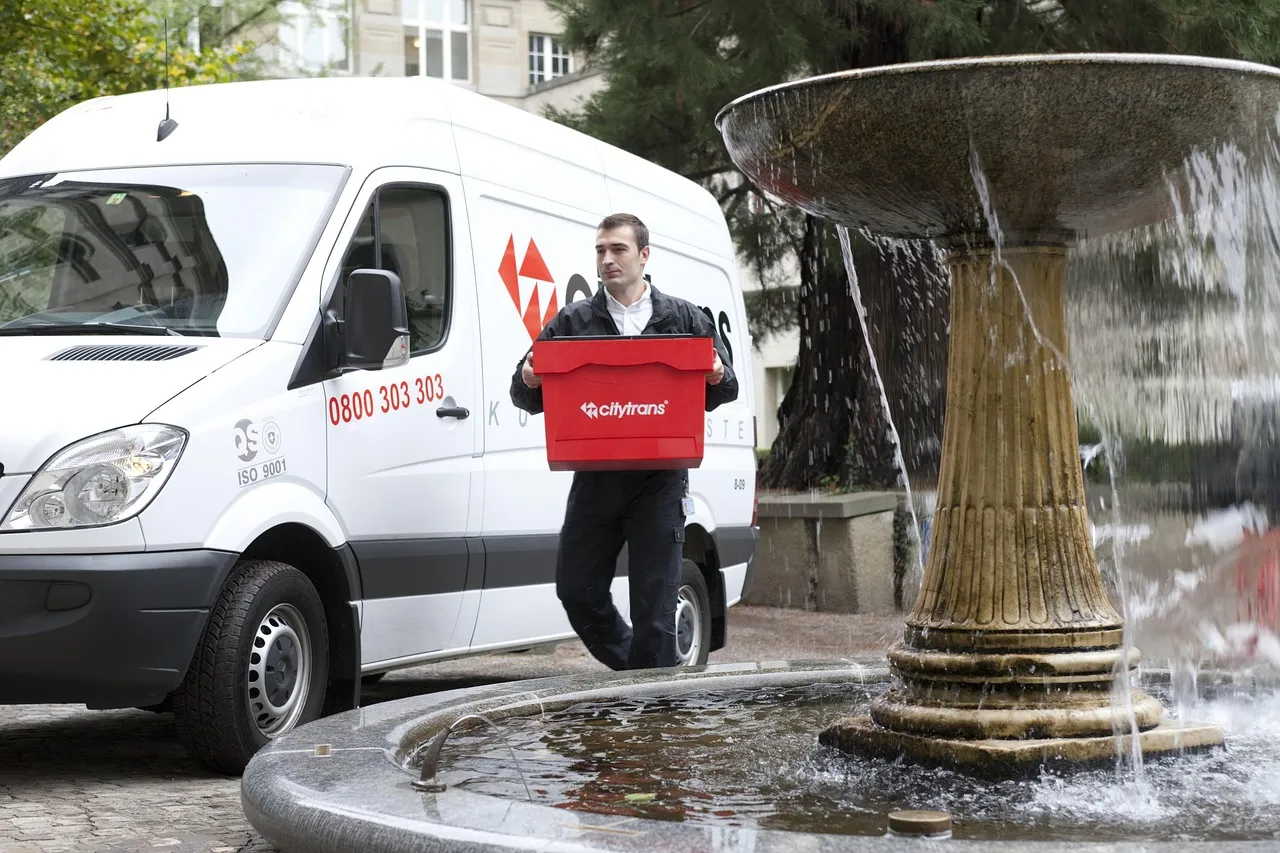
Move early and cast a wide net. A report from SelfEmployed.com, based on Challenger's September outlook, advises signing up early for the peak-season programs of delivery and warehouse-adjacent gig apps, since waiting until December can mean missing the best shifts. It also says not to treat a traditional seasonal retail job as a guaranteed backup plan this year.
The list below gives a practical order of attack.
- Apply to Amazon and other large employers now, because many roles fill quickly.
- Check local stores in person, since many post jobs on their own sites first.
- Ask each employer if seasonal roles can convert to permanent jobs in January.
- Ask about guaranteed hours, shift start times and pay for overtime.
- Sign up for gig delivery programs early if you want flexible work.
Gig work brings its own rules, including how workers are classified and how income is taxed. Our explainer on gig worker classification rules covers what changed this year. If you plan to earn money on the side, our guide to side hustle taxes explains what to set aside.
Think about the whole package, not just the hourly rate. A job that pays a dollar less but offers steady hours, benefits or a path to a permanent role can be worth more than a higher-paying gig with unpredictable shifts. Ask what happens after the holidays, and get answers in writing when you can.
Pay deserves a closer look too. Seasonal workers often earn the same hourly rate as year-round staff, but fewer hours can make the paycheck smaller. Ask how many hours you can expect each week, and whether the schedule is posted far enough ahead for you to plan childcare, school and a second job.
What Does the Hiring Split Say About the Economy?
It says the economy is not moving in one direction. Spending is holding up, but employers are cautious about adding people. Challenger noted that resilient spending is not turning into large, early hiring commitments from the biggest retailers.
It also shows how work is changing. More of the holiday workforce is flexible, automated or concentrated in a few big employers. Amazon's jump matters because one company's decision can move the national picture, and its pay and benefits can set a bar that rivals have to match.
For workers, the lesson is to treat seasonal work as a short window, not a sure thing. Hiring starts earlier than many people expect, and the best roles go to those who apply while others are still planning.
The Takeaway for Job Seekers
Holiday hiring in 2026 is smaller and more selective, with one big exception. Stores are leaning on current staff and on-demand pools, while Amazon is hiring more than 300,000 people. Your odds depend on moving early and looking beyond the places you usually shop.
At The Spectrum Post, we think the smartest move is to apply this week. Your next step is to bookmark Amazon's seasonal jobs page, check three nearby employers for openings, and ask each one about hours, benefits and conversion to permanent work before you accept an offer.