The Click-to-Cancel Rule Explained: Why Canceling a Subscription Still Isn't Always Easy in 2026
A federal court struck down the FTC's click-to-cancel rule in 2025. Here is where the rule stands now and what protects you when you try to quit a subscription.

In this article 8 sections
The FTC's click-to-cancel rule is not in effect. A federal appeals court struck it down in July 2025 on procedural grounds, and the agency has since opened a new rulemaking on subscriptions. Until a new rule lands, the FTC enforces cancellation problems under an older law, the Restore Online Shoppers' Confidence Act (ROSCA).
If you have ever signed up for a free trial in one tap and then hunted through five menus to quit, you already know why this rule mattered. This explainer covers what the click-to-cancel rule was, why it disappeared, and where things stand in 2026. The Spectrum Post writes for curious general readers, so we will keep the legal terms simple and focus on what helps you cancel.
What Was the Click-to-Cancel Rule?
The click-to-cancel rule was a 2024 update to the Federal Trade Commission's Negative Option Rule. It would have required companies to make canceling a subscription as easy as signing up. A court vacated it in July 2025, so it never took effect.

A negative option is a sales setup where silence counts as a yes. You sign up for a free trial, and if you do nothing, the charge starts. The original Negative Option Rule dates to 1973, long before streaming services and app stores existed.
The FTC finalized the updated version in 2024. The idea was simple: if you can join with one click, you should be able to leave with one click. The rule was scheduled to take effect in 2025, but an appeals court stepped in first.
The Eighth Circuit Court of Appeals vacated the rule in July 2025. Law firm summaries note that the court focused on procedural problems, not on whether the idea itself was good. That distinction matters, because it left the door open to try again.
Why Did a Court Strike Down the Rule?
The court found procedural problems in how the FTC wrote the rule, not flaws in the goal of easier cancellation. A petition to restart the rulemaking says the decision addressed only purported procedural infirmities. In plain terms, the paperwork was challenged, not the principle.
That is how Kelley Drye, a law firm that tracks advertising regulation, describes the petition in its post on the FTC reopening click-to-cancel rulemaking. In November 2025, the Consumer Federation of America and the American Economic Liberties Project asked the agency to restart the process. The FTC published that petition in the Federal Register in early December 2025.
There is a political wrinkle. FTC Chairman Andrew Ferguson dissented from the original rule, so it is unclear how eager the current leadership is to bring it back in the same form. Observers have said the quiet way the petition was published makes its prospects hard to read.

Where Does the FTC Stand on Subscriptions in 2026?
The FTC has started a new rulemaking on negative option plans in 2026, but it has not confirmed that it will revive the click-to-cancel provision. Consumer groups have filed comments asking for one. Until a final rule exists, no federal rule requires one-click cancellation.
The National Consumers League (NCL) described its role in a press release titled NCL urges FTC to revive click to cancel, dated April 14, 2026. It says the NCL, the Consumer Federation of America, and the National Consumer Law Center all submitted comments. Their requests are specific, and the list below shows what they want.
- Make cancellation as easy as signup.
- Stop free trials from quietly turning into paid plans.
- Require notice before each recurring charge.
An NCL representative said that, at minimum, any update should include a click-to-cancel component. That is a request, not a promise. The agency has made no commitment, and a final rule could take a long time.
Meanwhile, the FTC has kept acting under existing law. In September 2025, it announced a $7.5 million settlement with an education technology provider over cancellation practices. That case was brought under ROSCA, which already requires companies to disclose terms clearly and to offer a simple way to cancel.
Streaming and entertainment are among the most visible places where this plays out. If you are curious why so many services keep selling you familiar favorites, our piece on why nostalgia keeps dominating what we watch and listen to shows how companies work to keep you subscribed.
What Can You Do Today When a Company Makes Cancelling Hard?
Start by documenting everything. Take screenshots of the signup page, the terms, and every cancellation attempt, with dates. If the company still bills you, ask your card issuer to dispute the charge, and file a complaint with the FTC and your state attorney general.
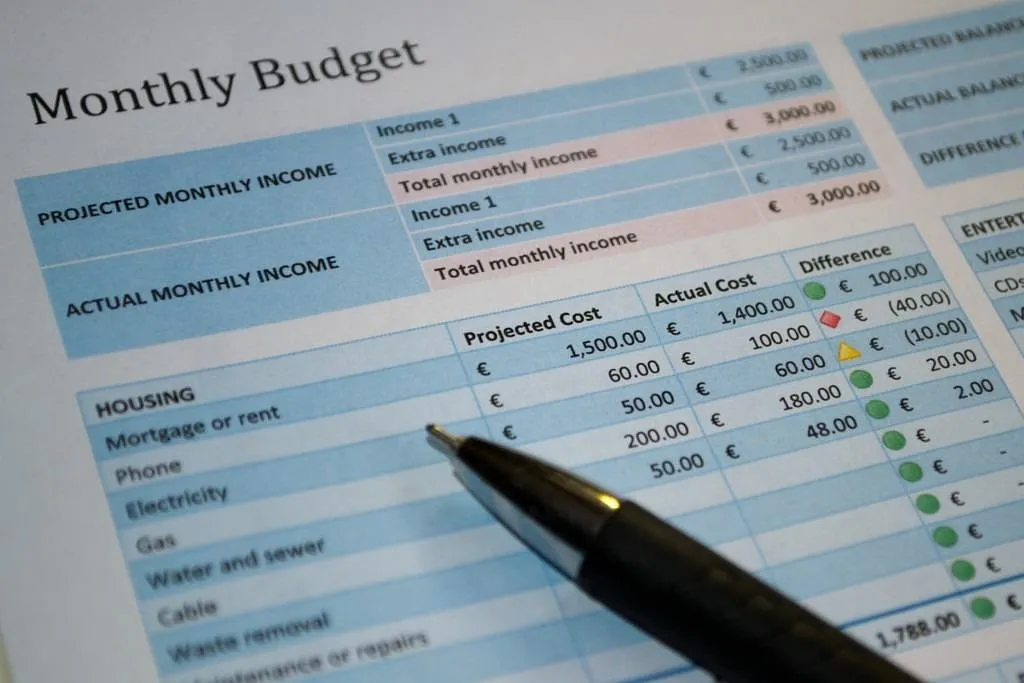
The steps below go from the easiest to the most forceful. Most people never need the last one.
- Check the account settings and the original signup email for a cancel link.
- Cancel in the same place you signed up, such as an app store or a card-linked service.
- Use chat or a phone call, and ask for a confirmation number or email.
- Dispute the charge with your card issuer if billing continues after you cancel.
- Report the company to the FTC and your state attorney general.
The Spectrum Post's editors suggest one more habit: put a reminder in your calendar the day you start a free trial. Set it for two days before the trial ends. A reminder costs nothing, and it beats arguing with a chatbot at midnight.
Virtual cards and card controls help too. Many banks let you set a spending limit or pause a card number that a merchant keeps charging. That does not replace a proper cancellation, but it can stop charges while you sort things out.
Subscriptions also add up fast, especially as other household costs rise. If you are trimming your budget this winter, our look at winter heating costs for 2026-27 shows why auditing every monthly charge now is worth the time. Cutting two or three forgotten plans can free up real money.
Does Paying for News Make Cancelling Harder Too?
Yes, it can. News and media sites often use the same tactics as streaming services, including free trials that convert and cancellation flows that require a phone call. The rules above apply to any recurring charge, whether it is a video service, a gym, or a newspaper.

Paid news matters more as local papers close. Our article on what is filling the gap as local newspapers keep closing explains why many outlets now depend on subscribers. A fair cancellation process is part of earning that trust, and readers should expect one.
Some states have their own automatic renewal laws. These laws vary, and some require a reminder before renewal or an online cancellation option. If you live in a state with strong rules, those may protect you even while the federal picture is unsettled. Check your state attorney general's website for the details.
Why Do Companies Make Cancelling So Hard?
Because friction works. Every extra screen between you and the cancel button costs the company a few percent of people who give up. Designers call this a dark pattern, a layout built to steer you toward the choice that benefits the business rather than the one you intended.
Common examples include a cancel link buried under several menus, a required phone call during limited business hours, and a pop-up that asks if you are sure three times. None of these is illegal on its own. The trouble starts when the whole flow is built to wear you down, and that is the behavior the FTC has gone after under existing law.
For you, the lesson is practical. Treat the signup page as the best moment to learn how the exit works. If you cannot find a clear cancellation method before you pay, that is a warning sign worth heeding.
What Should You Watch for Next?
Watch the FTC's negative option rulemaking. A proposed rule would be published for public comment, and that is your chance to weigh in. The final text, if there is one, could look different from the 2024 version, so avoid assuming the old rule will simply return.
There are real tradeoffs. Businesses argue that cancellation rules can be costly and that retention offers sometimes help customers find a cheaper plan. Consumer groups answer that an offer is fine as long as the exit is never blocked. Both points have merit, and the final rule will reflect how regulators balance them.
Conclusion
The click-to-cancel rule is not in force, but the problem it targeted has not gone away. A new rulemaking is under way, and existing law still lets the FTC act against deceptive cancellation practices.
Your next step is a quick audit. List every subscription you pay for, note how each one is canceled, and cancel the ones you do not use. If a company blocks you, document it and call your card issuer.
Is the FTC click-to-cancel rule in effect right now?
What law protects me when a company makes cancelling hard?
Can my bank stop a subscription charge after I cancel?
What did consumer groups ask the FTC to include?
-

Winter Heating Costs 2026-27: Why Gas Bills Fall While Electric and Heating Oil Bills Rise
-
The 2026 Nobel Prize in Economics Explained: What Hall and Woodford Figured Out About Recessions, Rates and Expectations
-

The 2027 401(k) Limit Is Expected to Hit $25,500: What Savers Should Do Before the IRS Confirms It