Why Mortgage Rates Are Falling After the Fed's 2026 Rate Hike
The Fed raised rates in September and held in October, yet the 30-year mortgage rate has dropped three weeks in a row. Here is how that works.

In this article 8 sections
Mortgage rates are falling after the Fed's 2026 rate hike because the Fed controls a short-term rate, while 30-year home loans follow the 10-year Treasury yield and investor expectations. The Fed raised its target in September and held it in October. Freddie Mac's 30-year average has still dropped three weeks in a row, to 7.18%.
The Spectrum Post explains the money and policy stories that shape household budgets, and this one is for anyone who owns a home, wants one, or carries a credit card balance. It covers what the Fed did, why mortgage rates moved the other way, and how the same decision lands on cards and savings accounts.
Did the Fed Actually Raise Interest Rates in 2026?
Yes. In September, the Federal Open Market Committee (FOMC), the Fed's rate-setting group, raised its target for the federal funds rate by a quarter point to a range of 3.75% to 4.00%. The minutes of the September 15-16 meeting show every voting member agreed to the increase.
That was a notable move. In its statements, the Fed said inflation remains elevated and that the economy is growing at a strong pace.
On October 28, the committee left the range unchanged. The Fed's October statement shows a 10-2 vote. Committee members Lisa Cook and Beth Hammack dissented because they preferred another quarter-point hike.
The federal funds rate is what banks charge one another for overnight loans. It is the Fed's main lever, but it is a short-term rate. Many of the loans people actually take out, especially a 30-year mortgage, depend on much longer time horizons.
Why Don't Mortgage Rates Follow the Fed's Rate Hike?

Mortgage rates track long-term bond yields, mainly the 10-year Treasury, rather than the Fed's overnight rate. Lenders price a 30-year loan using what investors expect inflation and growth to do for years. A Fed move changes those expectations, but it does not set the mortgage rate directly.
Think of it as two different clocks. The overnight rate measures the next day, and the mortgage rate measures the next decade. When investors think inflation will cool, long-term yields fall even if the Fed has just raised short-term rates. That is the pattern now.
Real estate news site RealEstateNews noted this week that the 10-year Treasury, which heavily influences fixed-rate mortgages, fell on November 5 to levels last seen in early September. Stocks sold off that day, and investors looked for other places to put their money. Lower yields pulled mortgage quotes down with them.
The spread matters too. Mortgage rates usually run a couple of points above the 10-year yield, which covers lender costs and the risk of lending. The Fed's September minutes noted that residential mortgage rates rose a bit more than 10-year yields, and a few participants said housing was one area where financial conditions were not supportive of activity.
Our own earlier explainer on the 2026 Nobel Prize in Economics covers why expectations about future rates can matter as much as the rate itself. This week is a live example.
What Do the Numbers Look Like Right Now?
The table below puts the key rates side by side, using the latest published figures.
| Rate | Latest level | Source and date |
|---|---|---|
| Federal funds target range | 3.75%-4.00% | Federal Reserve, October 28 |
| 30-year fixed mortgage | 7.18% | Freddie Mac, November 5 |
| 15-year fixed mortgage | 6.57% | Freddie Mac, November 5 |
| Credit card, accounts accruing interest | 22.36% | Federal Reserve G.19, Q3 2026 |
| National average savings account | 0.38% | FDIC, October 19 |
Freddie Mac's weekly survey shows the 30-year rate at 7.18%, down from 7.24% a week earlier. A year ago it averaged 6.22%, so borrowers are still paying almost a full point more. The 15-year rate is 6.57%, compared with 5.50% a year ago.
The survey covers conventional, conforming loans for borrowers with 20% down and excellent credit. Your own quote can be higher. Credit score, down payment, and loan type all change the number a lender offers.
How Does a Fed Hike Hit Credit Cards and Savings Accounts?

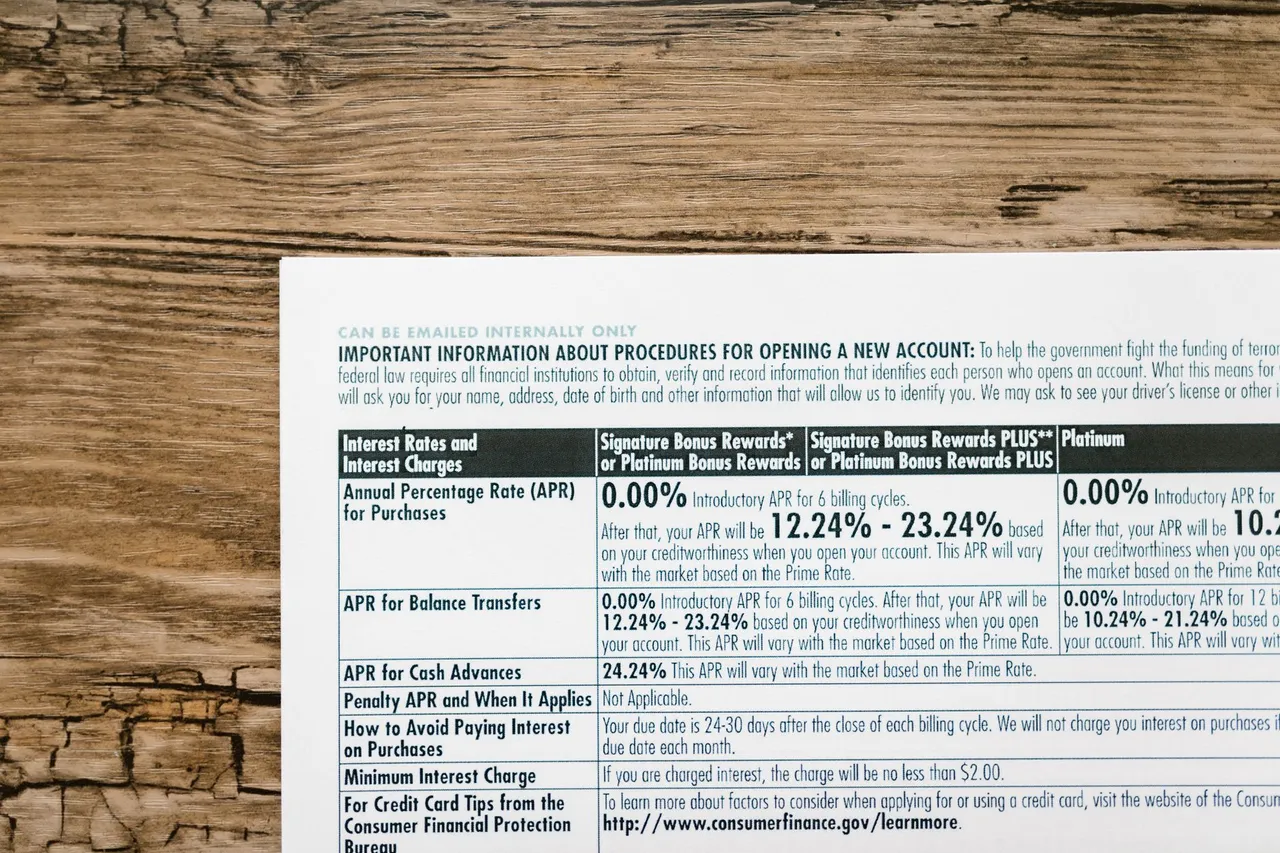
Credit cards react fast, and savings accounts react slowly. Most cards carry variable rates tied to the prime rate, which moves in step with the Fed. When the Fed hikes, card interest rises within a billing cycle or two. Savings rates usually lag, and banks often pass along only a small share.
The numbers show that gap. According to LendingTree's analysis of Fed data, the average APR on cards accruing interest reached 22.36% in the third quarter of 2026, up from 22.15% in the second. Meanwhile, the FDIC says the national average savings rate is 0.38% as of October 19.
Here is what that looks like in dollars. A $5,000 card balance at 22.36% costs about $1,118 a year in interest if you carry it all year. A $10,000 savings balance at the national average earns about $38. The same Fed decision pushes one number up and barely moves the other.
That is why paying down card debt is often the surest return available. Paying off a 22% card is the equivalent of earning 22% with no risk. No savings account or bond comes close.
What Does a 7.18% Rate Mean for a Monthly Payment?

On a $320,000 loan, a 7.18% rate means a principal-and-interest payment of about $2,168 a month. That loan would fit a $400,000 home with 20% down. At last year's 6.22% rate, the same loan costs about $1,964, so the rate gap adds roughly $204 a month.
The recent slide has helped a little. At 7.32% on October 22, the payment on that loan was about $2,198. Three weeks of declines have trimmed about $30 a month. That is real money, but it does not erase the jump from a year ago.
These payments exclude property taxes, insurance, and any mortgage insurance. Those costs can add several hundred dollars. At The Spectrum Post, we calculate payments using the standard fixed-rate formula, so you can check any lender quote the same way.
The market remains slow. The Mortgage Bankers Association reported purchase applications down 19% from a year ago and refinance applications down 60%. Higher rates are keeping many buyers and refinancers on the sidelines. Market swings reach household budgets in other ways too, as our explainer on chip stocks and your 401(k) shows.
What Could Push Mortgage Rates Back Up?
Strong economic news can lift mortgage rates, even when it is good news. A solid jobs report suggests the economy can handle higher rates, and bond investors then demand higher yields. Realtor.com senior economist Hannah Jones said a stronger-than-expected report could slow the recent decline in rates, according to RealEstateNews.
The October jobs report is due November 6, and economists expected a modest gain in payrolls. A big surprise in either direction could move the 10-year yield within minutes. Mortgage lenders reprice quickly, so a quote you saw on Monday may look different by Friday.
Inflation is the other driver. The Fed has said inflation remains elevated and that it will keep working toward its 2% goal. Two committee members already wanted a second hike in October. If the next price reports run hot, more of their colleagues may agree.
Geopolitics and government borrowing also play a role. The Fed's September minutes pointed to world events and heavy debt issuance, including borrowing tied to artificial intelligence (AI) data centers, as forces pushing up Treasury yields. Those pressures can return at any time.
One side effect is already visible. The Mortgage Bankers Association says the share of adjustable-rate mortgages keeps rising, because those loans start with lower rates. They can work for buyers who expect to move or refinance soon. They carry real risk if payments reset higher, so read the adjustment caps before signing.
What Should Borrowers and Savers Do Now?
Do not try to guess the next Fed move. Even professional forecasters struggle with it, and the 10-year yield can swing on a single jobs report. A better plan is to focus on what you control: your credit score, your down payment, and how many lenders you compare.
First, shop at least three lenders. Quotes for the same borrower can differ by a quarter point or more, and that gap is worth thousands over the life of a loan. Compare the annual percentage rate (APR), which includes fees, rather than the headline rate alone.
Second, think about a refinance only if the savings are clear. A common rule of thumb is to refinance when you can cut your rate by about a full point and plan to stay long enough to recover the closing costs. With rates still well above last year's, most people who locked in lower rates should wait.
Third, move idle cash. If your savings sit at 0.38%, a high-yield account paying several times that rate is worth a look. Check that it is FDIC-insured and watch for introductory rates that drop after a few months.
Finally, watch the inflation data. The Fed has said inflation is elevated, and the same pressure showed up in the 3.6% adjustment we explained in our guide to the 2027 Social Security COLA. If inflation cools, long-term rates can ease further. If it stays hot, expect the Fed to stay hawkish.
The Bottom Line on Mortgage Rates and the Fed
The Fed's 2026 rate hike did not push mortgage rates up because mortgages follow long-term yields, not the overnight rate. Rates have eased for three weeks, but they remain about a point above last year. Compare lenders, pay down expensive card debt, and move idle savings somewhere that pays.